Skip to content

Call today for electrical repairs and upgrades(651) 382-9397

Electrician checking circuit breakers inside an open breaker box

Breaker Repair & Replacement in White Bear Lake, MN

A breaker that trips over and over, won't reset or feels warm is a sign that something is wrong. Chris Electric finds the cause and fixes it, whether that means tightening a loose connection or putting in a new breaker.

We handle breaker repair, breaker replacement and breaker box installation for homes in White Bear Lake and nearby towns. A licensed electrician does the work to code, and you get the price before we start.

Get Your Breaker Fixed
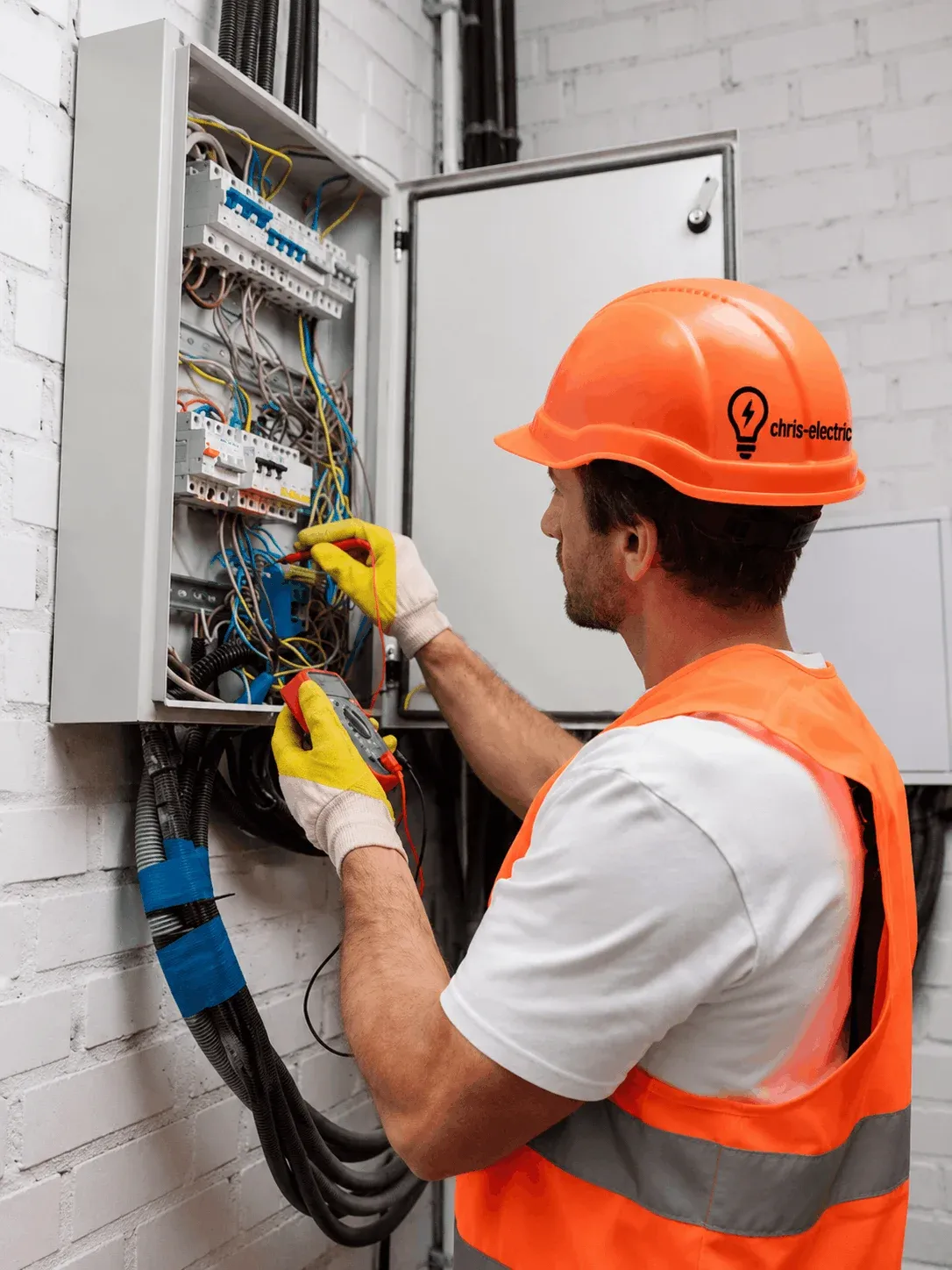
Chris Electric electrician testing a circuit with a meter at an open breaker panel

Breaker Problems We Fix

Breaker Tripping, Stuck or Running Hot? We Can Fix It

Most breaker trouble shows up in one of three ways. The breaker trips again and again. It won't stay on when you reset it. Or it feels warm and gives off a faint burning smell.

The breaker is not always the problem. It can be a circuit with too much plugged into it, a short in the wiring or a loose connection at the panel. Our electrician tests both the breaker and the circuit to find the real cause.

Sometimes the fix is as simple as tightening a connection or moving a heavy load to another circuit. If the breaker itself is worn or damaged, we replace it with the right type and size for your panel.

  • We test the circuit, not just the breaker
  • New breakers matched to your panel brand
  • Repairs done to the Minnesota electrical code
  • A clear answer on what failed and why

How Breakers Work

What Circuit Breakers Do to Protect Your Home

Every circuit in your home runs through a breaker in your electrical panel. Its job is to shut off power the moment something goes wrong, before a wire overheats and starts a fire.

  • Stops Overloaded Circuits

    When too many things run on one circuit, the wires start to heat up. The breaker trips before that heat can damage the wire or the insulation around it.

  • Cuts Power During a Short Circuit

    A short happens when a hot wire touches a neutral or ground wire. Current jumps in an instant, and the breaker shuts it off just as fast.

  • Lowers the Risk of Shock

    GFCI breakers watch for current leaking out of the circuit, often through water or a person. They trip fast to help prevent a serious shock in kitchens, bathrooms, garages and outdoor areas.

  • Catches Dangerous Arcing

    AFCI breakers sense the sparking caused by damaged cords, loose connections or a nail driven through a wire. Code now calls for them on many circuits in living spaces.

  • Keeps One Problem from Spreading

    Each breaker controls its own circuit. If something goes wrong in a bedroom, the kitchen and the rest of the house stay on.

  • Lets You Shut Off Power Safely

    A clearly labeled panel lets you turn off one circuit before work is done on it. In an emergency, the main breaker shuts off power to the whole house.

Warning Signs

Common Signs of a Bad Breaker

A bad breaker rarely fails without warning. Most show a few signs first, and you can spot them without opening the panel.

If you notice any of these, stop resetting the breaker and schedule a breaker repair visit. If you smell burning or see smoke, call for emergency electrical service right away.

Noticed One of These Signs?

Tell us what you are seeing at your panel. We will let you know if it needs a visit right away or can wait for a regular appointment.

Call (651) 382-9397
  • Trips With Little or Nothing Running

    A breaker that trips with only a lamp on, or with nothing plugged in at all, may be worn out inside. A healthy breaker holds a normal load without trouble.

  • Won't Reset or Lock in Place

    You flip it back on and it snaps off right away, or the handle feels loose and will not catch. The breaker may be damaged, or there may be a short on the circuit.

  • Hot to the Touch

    A breaker can feel slightly warm when a circuit is in use. One that feels hot, or much warmer than the breakers around it, often has a loose or failing connection.

  • Burning Smell at the Panel

    A sharp smell of hot plastic near the panel means something is overheating. Keep clear of the panel and call us right away.

  • Scorch Marks or Melted Plastic

    Dark marks, melted spots or a discolored breaker point to heat damage. That breaker and the wire connected to it need to be checked before the circuit is used again.

  • Buzzing or Crackling Sounds

    A breaker should be silent. A buzz or crackle can mean arcing at a loose connection or a breaker that is starting to fail.

Finding the Cause

Is It the Breaker or the Circuit? How to Tell What Needs Repair

A tripping breaker is a symptom. The real question is what it is reacting to. When it trips, and how fast, tells our electrician a lot about where the problem is.

Here are the four most common causes and the clues that point to each one. Finding the cause takes testing with the right tools, so leave the panel cover on and let a licensed electrician handle that part.

  • Breaker and circuit both tested
  • Panel connections checked for heat damage
  • The cause explained before any repair
  • Overloaded Circuit

    It trips after a few minutes when a space heater, hair dryer or microwave runs with other things on the same circuit. Reset it with less plugged in and it holds. The fix is to spread out the load or add a new circuit.

  • Short Circuit

    It trips the instant you reset it, or the moment you turn on one light or plug in one device. You may hear a pop or see a spark. The wiring, a fixture or an appliance on that circuit needs repair.

  • Ground Fault

    A GFCI breaker trips during rain, when an outdoor outlet gets wet or when one certain appliance is plugged in. Moisture or a damaged cord is letting current escape, and we track down where.

  • Worn Out Breaker

    The circuit tests clean, but the breaker still trips at random or will not hold a normal load. Breakers wear out with age and heat. When the circuit checks out, a new breaker is the fix.

What You Can Do

How to Fix a Tripping Breaker Safely

Many trips come from an overloaded circuit, and you can often fix a tripping breaker in a few minutes. These steps are safe for any homeowner. If they do not solve it, give us a call.

  1. Turn Off and Unplug What Was Running

    Switch off the lights and unplug the devices on the circuit that lost power. This takes the load off so you can see if the breaker holds on its own.

  2. Find the Tripped Breaker

    Open the panel door, but leave the metal cover on. A tripped breaker usually sits in the middle or in the OFF position, out of line with the others. Some brands also show a red or orange mark.

  3. Reset It the Right Way

    Push the handle firmly to OFF first, then back to ON. Skipping the OFF step is a common reason a breaker seems like it will not reset.

  4. Add the Load Back Slowly

    Plug things back in one at a time. If the breaker trips as soon as one item goes on, that item or the outlet it uses is likely the problem.

  5. Leave It Off If It Trips Again

    A breaker that trips again right after a reset is doing its job. Leave it off and call us so we can find the cause and fix it.

Do Not Try This

  • Remove the panel cover or touch the wires inside
  • Reset a breaker that is hot, scorched or smells burnt
  • Flip the breaker over and over hoping it will hold
  • Touch the panel with wet hands or while standing on a wet floor
  • Tape a breaker in the ON position or swap in a bigger one

A Common Mistake

Why a Bigger Breaker Won't Stop the Tripping

A breaker is sized to protect the wire behind it, not the things you plug in. A bigger breaker lets more current through than the wire can safely carry. The tripping stops, but the wire can overheat inside your walls and start a fire.

Breaker SizeCommon Copper Wire SizeWhere You Often See It
15 amp14 gaugeLights and general outlets in bedrooms and living rooms
20 amp12 gaugeKitchen counter outlets, bathrooms and laundry rooms
30 amp10 gaugeElectric dryers and many electric water heaters

Breaker Still Tripping?

The real fix is finding out why it trips. We may move a heavy load, add a new circuit or repair a fault, and the breaker stays matched to its wire.

Get Your Breaker Checked

Repair or Replace

Does Your Circuit Breaker Need to Be Replaced?

Not every breaker problem calls for a new breaker. Often the breaker is fine and the trouble is a loose wire, a worn connection at the bus bar or too much load on one circuit.

Breakers do wear out, though. Heat, age and years of trips can weaken the parts inside. When testing shows the breaker itself has failed, a new one is the safe choice, and we show you what we found so you can see why.

If several breakers are failing or the panel shows heat damage, the problem may be bigger than one breaker. In that case we will talk with you about an electrical panel replacement instead.

Breaker is fine

Repair the Circuit

When the breaker tests fine, we fix what is around it and leave the breaker in place.

  • Tightening a loose wire at the breaker terminal
  • Re-seating a breaker that has worked loose
  • Moving a heavy load to its own circuit
  • Fixing the short or fault on the circuit
Breaker has failed

Replace the Breaker

When the breaker itself is worn or damaged, we put in a new one that fits your panel.

  • Matched to your panel brand and listing
  • Sized to the wire on that circuit
  • AFCI or GFCI breakers where code calls for them
  • Bus bar and wire checked for heat damage

How It Works

How Our Breaker Repair Works

Here is what happens from the time you call us to the moment the circuit is back on and working the way it should.

  1. Step 1

    Tell Us What the Breaker Is Doing

    Call and describe when it trips, what was running and anything you saw, heard or smelled. If it sounds urgent, we tell you what to shut off until we get there.

  2. Step 2

    We Test the Breaker and the Circuit

    Our electrician checks the breaker, the wire connected to it and the load on the circuit. We also look inside the panel for heat damage and loose connections.

  3. Step 3

    You Hear the Cause and the Price

    We explain what failed in plain words and whether it needs a repair or a new breaker. You know the price before any work starts.

  4. Step 4

    We Fix It and Test Again

    We make the repair or put in the new breaker, then test the circuit under a normal load. The breaker is labeled and the cover is back on before we leave.

Why Chris Electric

Why Choose Chris Electric for Breaker Work

A breaker is a safety device, so the work on it has to be right. Here is what you get when you call us about a breaker problem.

  • Licensed, Bonded and Insured

    Your breaker work is handled by a licensed electrician. You can look up our license, EA701047, before we come out.

  • We Find the Cause First

    A new breaker will not help if the real problem is on the circuit. We test before we replace, so you do not pay for parts you do not need.

  • Breakers That Fit Your Panel

    We use breakers listed for your panel brand and sized to the wire they protect. No mismatched or oversized breakers.

  • Help for Urgent Problems 24/7

    If a breaker is hot, smoking or buzzing, it should not wait until Monday. We take emergency calls day and night.

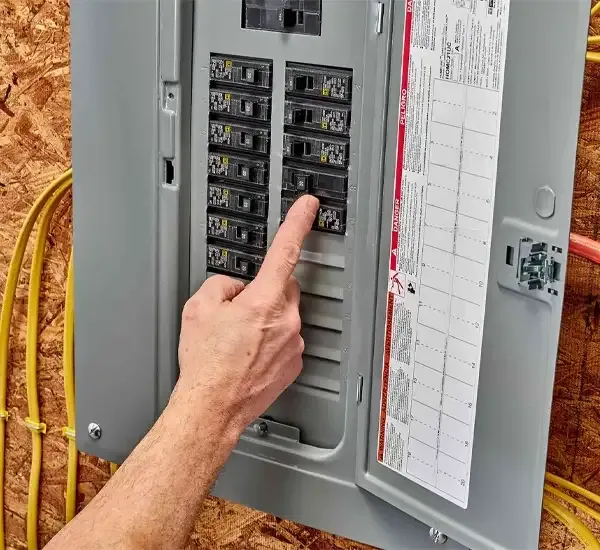
Electrician resetting a circuit breaker in a home breaker panel
  • A+BBB rating
  • 4.9on HomeAdvisor
  • 20+years of experience

Customer Reviews

What Our Customers Say After the Job Is Done

  • "...they consistently deliver excellent service at an afforable rate. Whether its remodeling, new construction, or handling jobs big and small their attention to detail is unmatched. As a builder, developer and remodeler, i rely heavily on the quality and professionalism of my subcontractors and this team sets the standard!"

    Rashad K.Google
  • "The crew at Chris Electric has been great every time I've worked with them. They're knowledgeable, efficient, and easy to work with. They will continue to be my go to for all electrical needs!"

    Michelle Y.Google
  • "Chris Electric is extremely responsive. His team upgraded our panel last summer 2020. ... We passed the city inspection with flying colors. I'd use these guys again."

    Mitch B.April 2021 · HomeAdvisor
  • "Chris was professional and explained the work they were going to perform. Tim was his electrician he assigned to my job. Tim was efficient and quick. I will use this company again."

    Vicki M.September 2020 · HomeAdvisor
  • "He is a master electrician and he is very professional. He does what he says he's going to do and does it when he says he's going to do it."

    Bill S.May 2018 · HomeAdvisor
  • "Was able to connect with Chris and get status updates while i was at work. I was very satisfied with my experience."

    Richard A.June 2020 · HomeAdvisor

Our Service Area

Breaker Repair Near White Bear Lake

From one tripping breaker to a full breaker box installation for a garage or addition, we work in homes in White Bear Lake, MN and the nearby towns below. Call and we will tell you if we can reach you.

FAQs

Common Questions About Breakers

Have a breaker question that is not listed here? Call us and ask.

(651) 382-9397

How much does breaker repair cost?

It depends on what we find. Tightening a loose connection is a small job. Replacing a breaker costs more, and AFCI or GFCI breakers cost more than standard ones. We test first and give you a price before any work starts.

How long does a circuit breaker last?

Many breakers last for decades. Heat, frequent trips, moisture and loose connections can wear one out much sooner. Age alone does not tell the full story, so we test a breaker before we say it needs to go.

Can I replace a circuit breaker myself?

We do not recommend it. Even with the main breaker off, the wires that feed the panel are still live. The wrong breaker type or size can also create a fire risk. Breaker work is a job for a licensed electrician.

Why does my breaker trip more in the winter?

Space heaters, electric blankets and holiday lights add a lot of load, often on circuits that already power other things. On a cold Minnesota morning, a few of those running at once can be too much for one circuit. If it keeps happening, that circuit may need help or a heavy load may need its own circuit.

Is a breaker box the same as an electrical panel?

Yes. Breaker box, breaker panel and electrical panel all mean the metal box that holds your breakers. A fuse box is the older version that uses fuses instead of breakers.

Do you install breaker boxes for garages and basements?

Yes. A subpanel is a smaller breaker box fed from your main panel. It adds room for new circuits in a garage, workshop, basement or addition. We check your main panel first to make sure it can handle the extra load.

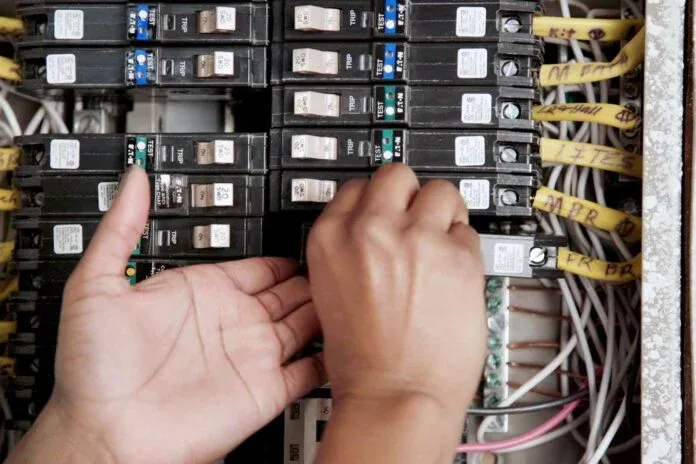
Hand resetting a breaker in a home breaker panel

Licensed, Bonded and Insured

Book a Full Home Breaker Check and Repair Near You

A breaker that trips, sticks or runs warm is worth a call. Tell us what it is doing, and a licensed electrician will check every breaker in your panel and fix what needs fixing.

Call Now: (651) 382-9397