A power strip behind the couch feels warm. A bedroom light flickers now and then. The breaker for the kitchen trips every time the microwave and toaster run together. Most homeowners notice small things like these and move on.
Often they are minor. Sometimes they are early signs of a real problem. Good daily habits and knowing what to watch for go a long way toward lowering the risk of shock, fire and damaged appliances.
Chris Electric put together these electrical safety tips for homeowners in White Bear Lake and nearby towns. Below you will find ten everyday habits, seasonal advice for Minnesota weather and clear signs that it is time to call an electrician.
Why Electrical Safety Matters for Homeowners
Most electrical problems build slowly. A loose connection heats up a little more each day. A cord gets pinched under furniture until the insulation cracks. By the time something fails, the warning signs may have been there for months.
Unsafe conditions can lead to:
- Electrical fires from overheated wiring, outlets or cords
- Electric shock from damaged cords or wet equipment
- Damaged appliances from loose connections, overloads or surges
- Overloaded circuits that trip breakers and stress the wiring
- Worn wiring that loses its protective insulation over time
None of this means your home is unsafe. It means small habits and early action matter.
10 Essential Electrical Safety Tips for Your Home
1. Avoid Overloading Electrical Outlets
Every circuit in your home can only carry so much current. When too many high-wattage devices run on one circuit, the wires heat up. The breaker should trip before that heat becomes dangerous, but an overloaded circuit still wears on outlets and connections.
Space heaters, hair dryers, microwaves, toasters and window air conditioners are the usual suspects. Try not to run two of them on the same outlet at once.
A power strip gives you more places to plug in. It does not give the circuit more capacity. If you rely on power strips in every room, the house likely needs more outlets or more circuits.
2. Check Electrical Cords for Damage
Take a quick look at the cords you use most. Watch for:
- Cracked or frayed insulation
- Bent or loose plug prongs
- Cords that feel warm during normal use
- Scorch marks near the plug
Replace damaged cords and small appliances rather than wrapping them in tape. A taped cord can still overheat or shock someone. Keep cords out of doorways, away from heat sources and out from under furniture, where they can get crushed.
3. Keep Electrical Equipment Away from Water
Water and electricity are a dangerous mix. Keep hair dryers, radios and phone chargers away from sinks and tubs. Never touch a switch or appliance with wet hands.
Kitchens, bathrooms, laundry rooms, garages, basements and outdoor areas should have GFCI protection. A ground fault circuit interrupter watches the current flowing through a circuit. If some of it starts leaking out, such as through water or a person, it shuts off power in a fraction of a second.
GFCIs lower the risk of serious shock, but they do not remove every risk. Press the test button on each GFCI outlet about once a month. If one will not trip or will not reset, have it checked. Older homes are often missing GFCIs in some of these areas, and GFCI outlet installation is a simple way to close that gap.
4. Watch for Warning Signs of Electrical Problems
Your home often tells you when something is wrong. Pay attention to:
- Lights that flicker or dim when an appliance turns on
- Breakers that trip often
- Outlets or switch plates that feel warm or look discolored
- Buzzing or crackling sounds from outlets, switches or the panel
- A burning or hot plastic smell with no clear source
- Mild shocks or tingles when you touch an appliance
One symptom can have several causes. Flickering lights might be a loose bulb or a loose connection in the wiring. The safe move is the same either way. Stop using the outlet, switch or device, and have an electrician find the cause.
If you see smoke, flames or sparks, do not investigate. Get everyone out of the house and call 911.
5. Use Extension Cords Safely
Extension cords are made for temporary use. When one stays plugged in for months, it has become permanent wiring, and it was never designed for that.
Match the cord to the job. Check the rating printed on the cord or its tag, and make sure it can handle the device you plug in. A thin indoor cord should not run a space heater or a shop vac. Outdoor work calls for a cord rated for outdoor use.
Never run cords under rugs or through doorways. Foot traffic damages the insulation, and the rug traps heat. If you use the same extension cord in the same spot every day, a new outlet is the safer long-term fix.
6. Be Careful With Space Heaters During Minnesota Winters
On cold Minnesota nights, space heaters are common in basements, home offices and drafty bedrooms. They are also one of the heaviest loads most homes see. Many draw about as much power as a standard circuit is meant to handle, so a heater plus a hair dryer on the same circuit can trip the breaker.
Most heater makers say to plug the heater straight into a wall outlet, not into a power strip or extension cord. Those can overheat under a heater’s steady load.
Keep the heater at least 3 feet from curtains, bedding, furniture and anything else that can burn. Turn it off when you leave the room or go to sleep. Always follow the instructions that came with your heater, since models differ. If the plug or outlet gets hot, stop using that outlet and have it checked.
7. Understand Your Circuit Breaker Panel
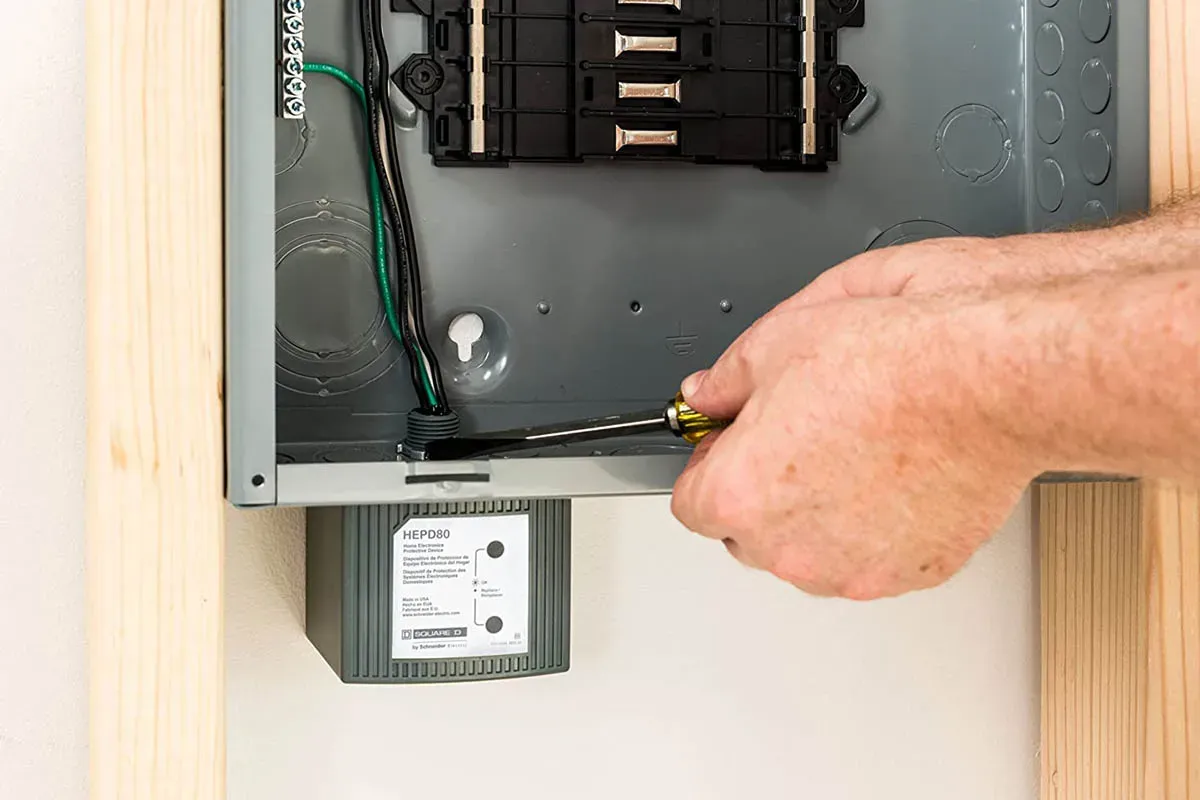
Your electrical panel is where power enters the home and splits into circuits. Each circuit breaker protects one circuit. When too much current flows, from an overload or a short circuit, the breaker trips and cuts power before the wiring overheats.
Know where your panel is and keep the area in front of it clear, so you can reach it quickly. Make sure the breakers are labeled, so you know which one controls each room.
A breaker that trips once in a while after an overload is doing its job. A breaker that trips again and again is a warning. Resetting it over and over can hide a wiring fault or a failing breaker. If one keeps tripping, have a breaker that keeps tripping looked at by an electrician.
Never remove the panel cover. Parts inside stay live even with the main breaker off.
8. Install and Maintain Smoke Alarms
Even with good habits, fires can still happen. Working smoke alarms give your family time to get out.
The NFPA recommends a smoke alarm in every bedroom, outside each sleeping area and on every level of the home. Test each alarm once a month and replace alarms that are 10 years old. Interconnected alarms, where one sounds and they all sound, give earlier warning in a larger home.
Fuel-burning furnaces, water heaters and attached garages also make carbon monoxide alarms important. Follow the maker’s guidance for where to place them and when to replace them.
9. Protect Your Home From Electrical Surges
A power surge is a short spike in voltage. Big ones can ruin electronics in an instant. Smaller, repeated surges can wear down the circuit boards inside appliances over time.
Minnesota thunderstorms are one source, but surges also come from the utility grid and from large appliances cycling on and off inside the home. The best defense is layered. A whole-house surge protector at the panel handles large surges coming in, and plug-in surge protectors guard computers and TVs. To learn more, see our guide on how a whole-house surge protector works.
10. Schedule Professional Electrical Inspections When Needed
There is no set schedule for most homes, but some moments call for a professional look. An electrical safety inspection makes sense when you:
- Buy an older home
- Plan a remodel, addition or finished basement
- Add a major load like a hot tub, EV charger or heat pump
- Deal with breakers that trip often
- Find damaged, scorched or questionable wiring
- Keep seeing warning signs with no clear cause
An inspection will not uncover every hidden problem inside the walls, but it can catch many common issues early. Chris Electric can walk through your home, check the panel and outlets, and explain what we find in plain language.
Seasonal Electrical Safety Tips for White Bear Lake Homeowners
Electrical risks shift with Minnesota’s seasons. A few quick habits each season keep problems from building up.
Winter Electrical Safety
Winter brings longer nights and heavier loads. Furnaces, space heaters, block heaters and holiday lights all draw power at once. Use only lights and cords rated for outdoor use outside. Do not chain several strands or cords together past the maker’s limit. Unplug decorations at night or put them on a timer.
Spring and Summer Electrical Safety
Thunderstorms can bring lightning, power outages and surges. During a storm, avoid using corded devices plugged into the wall. Before using outdoor outlets for the first time each spring, check that their covers close and the GFCIs work. Keep cords, tools and lights out of standing water, and use only equipment rated for outdoor use.
Fall Electrical Safety
Fall is a good time to get ready for the cold. Test smoke and carbon monoxide alarms. Check space heaters, heat tape and holiday lights for damaged cords before you need them. If a breaker tripped often last winter, have it looked at now, before heating season starts.
When Should You Call an Electrician?
Some issues are fine to keep an eye on. Others need a professional soon. Call an electrician if you notice:
- Breakers that trip again and again
- Lights that keep flickering after you change the bulb
- Outlets or switches that feel hot or look scorched
- Outlets that spark when you plug something in
- Damaged, chewed or exposed wiring
- A burning smell near outlets, switches or the panel
- Rust, water or buzzing at the electrical panel
- Electrical equipment that got wet from a leak or flood
Until help arrives, stop using the affected circuit or device. If it is safe to reach the panel, you can switch off that breaker. Do not touch exposed wires or wet equipment.
For smoke, fire or anything that feels like immediate danger, leave the home and call 911 first.
Keep Your White Bear Lake Home Electrically Safe
Most electrical safety comes down to everyday habits. Do not overload outlets. Replace damaged cords. Keep water away from electrical equipment. Respect the warning signs your home gives you.
You can handle simple visual checks yourself, like testing GFCIs and smoke alarms or looking over cords. Repairs, new wiring and panel work should be left to a licensed professional.
If something in your home does not seem right, or you want a second opinion on your wiring, Chris Electric can take a look. Homeowners looking for an electrician in White Bear Lake can reach out to our team to talk through their concern or set up an electrical inspection.
Frequently Asked Questions
What are the most common electrical hazards in a home?
The most common hazards are overloaded circuits, damaged cords, loose outlets and connections, missing GFCI protection near water and extension cords used as permanent wiring. Older wiring and panels that were not built for today’s loads can add to the risk. Many of these problems are easy to fix once someone spots them.
How do I know if my home’s electrical wiring is unsafe?
Watch for warm or discolored outlets, a burning smell, buzzing sounds, frequent breaker trips and lights that flicker. Two-prong outlets, cloth-covered wiring or a fuse box can also mean the system is older. These signs do not always mean danger, but they are worth a professional look.
Is it safe to use multiple appliances on one outlet?
It depends on what you plug in. A lamp, a phone charger and a clock use very little power. Two heat-producing appliances, like a space heater and a hair dryer, can overload the circuit. If you often run several high-wattage devices in one spot, an extra outlet or circuit may help.
When should I have my home’s electrical system inspected?
Good times include buying a home, planning a remodel, adding a big appliance like an EV charger, or noticing warning signs that keep coming back. Homes that are several decades old and have never had their wiring checked are also worth a look.
Can an old electrical panel create safety concerns?
Yes. Older panels may be too small for modern loads, and some breakers wear out with age. Rust, scorch marks, a warm cover or breakers that will not stay reset are signs it needs attention. An electrician can tell you whether a repair or an electrical panel upgrade makes sense.