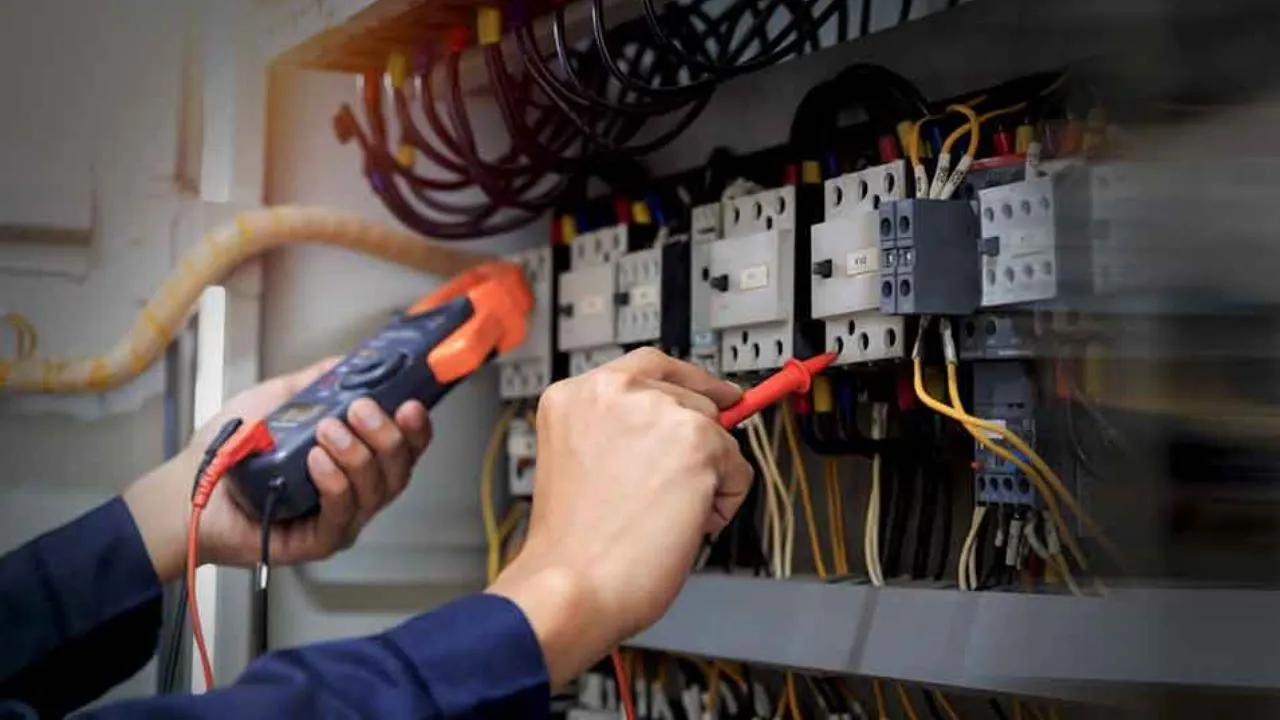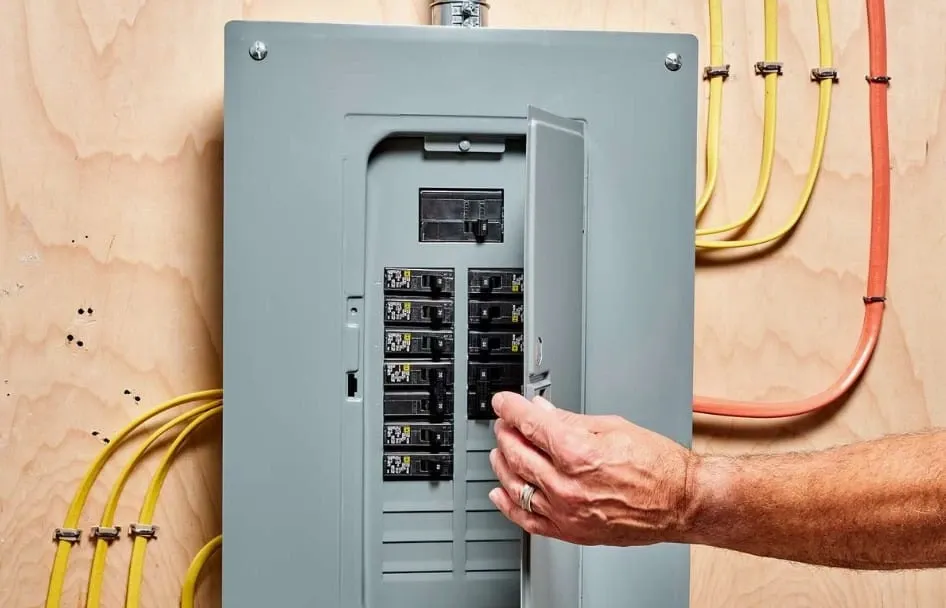
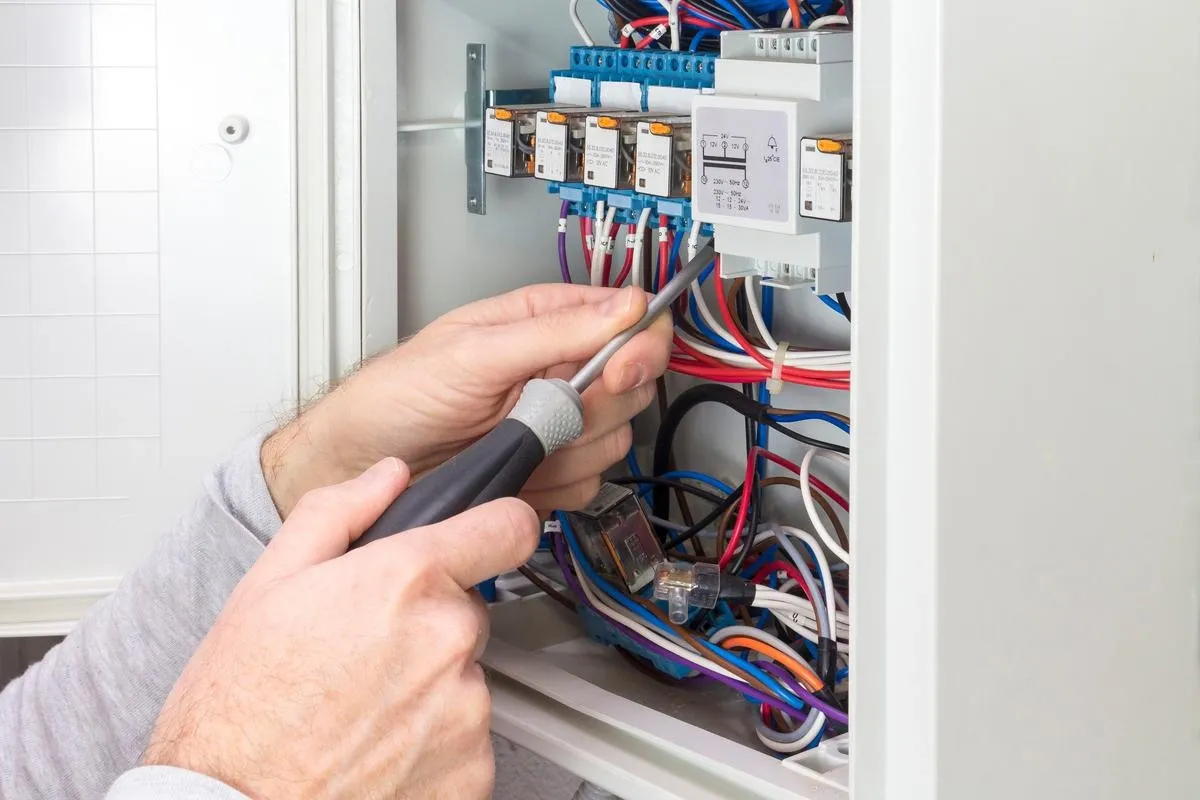
You are going through the paperwork on your house and realize the electrical panel in the basement has probably been there for 30 years. Nothing seems wrong. Still, you start to wonder whether it is time to replace it.
Electrical panels can stay in service for decades, but no single lifespan fits every panel. Ranges like 25 to 40 years get quoted often. Treat them as rough planning figures, not replacement deadlines. Condition, installation quality, the room the panel sits in, the equipment itself and your home’s electrical demand matter more than the date.
Here is what affects an electrical panel’s lifespan, which warning signs deserve attention and how homeowners in White Bear Lake can decide what to do next.
How Long Does an Electrical Panel Typically Last?
An electrical panel has few moving parts. The steel box, the bus bars that carry power to the breakers and the wiring connections can work for many years when they stay dry, cool and properly installed. That is why plenty of panels are still in use decades after they went in.
Useful life still varies a lot. A panel in a dry, clean basement with good workmanship faces very different conditions than one in a damp garage or one that has been modified by several owners. The 25 to 40 year range you see online is a general rule of thumb. It does not come from a code requirement or a universal manufacturer standard, and it should not be read as an expiration date.
Manufacturer documentation is a better guide for a specific panel, along with what an inspection shows. Age tells you when to start paying closer attention. Condition tells you whether the panel is still fit for service.
Can an Electrical Panel Last 40 Years or Longer?
Some do. A well-made panel that has stayed dry, was installed correctly and has not been overloaded or altered badly can keep working past 40 years.
Long service does not guarantee safety, though. Connections can loosen, breakers can wear and parts for older equipment can become hard to find. Once a panel is that old, or its history is unknown, a professional evaluation makes sense even if nothing seems wrong.
Does a 20- or 30-Year-Old Panel Need Replacement?
Not automatically. A 20 or 30 year old panel in good condition may have many years left. Age is a reason to look closer, not a reason to replace on its own.
What matters is what the panel looks like, whether it has had problems, what the manufacturer says about the equipment and whether you plan to add major electrical loads. If the panel is sound and fits your needs, keeping it can be the right call.
What Affects How Long an Electrical Panel Lasts?
1. Installation Quality
A panel installed with correct torque on connections, compatible breakers and proper grounding and bonding has a better start. Loose terminals, mismatched parts and crowded wiring can lead to heat and wear over time.
2. Moisture and Corrosion
Water and metal do not mix well inside electrical equipment. Moisture can cause rust on the enclosure and corrosion on bus bars, breakers and terminals. Corroded connections resist the flow of current, which creates heat.
Panels in basements, garages and utility rooms are more exposed if those spaces get damp, flood or collect condensation. Many basement panels stay perfectly dry. It depends on the space.
3. Electrical Load and Operating Conditions
Panels are built to carry loads within their ratings, and normal use is expected. Running your dryer, range and air conditioner is not wearing out a properly sized panel.
Conditions outside those limits are different. Circuits that run near their limit for long periods, loose connections that heat up or a panel serving more load than it was meant for can all add stress.
4. Equipment Quality and Manufacturer Support
Some panels are better built than others. Availability of compatible replacement breakers also matters. When parts for an older panel are discontinued or hard to source, repairs get harder and replacement becomes more likely. Only breakers listed for a specific panel should be installed in it.
5. Previous Electrical Modifications
Many panels have been worked on more than once. Breakers that are not listed for the panel, double-tapped wires, improper splices or amateur additions can create real safety concerns. A panel with a messy history deserves a careful look.
6. Physical Damage and Environmental Exposure
Impacts, water leaks from above, heat from nearby equipment and dust or debris can all shorten a panel’s life. Damage to service equipment should always be checked by a licensed electrician before anyone decides whether it can stay.
8 Signs Your Electrical Panel May Need Replacement
None of these signs prove a panel must be replaced. Each one is a reason to have it checked, and some call for faster action than others.
1. Circuit Breakers Trip Repeatedly
Breakers trip when a circuit is overloaded or when they detect a short circuit, ground fault or arc fault. Faulty appliances and damaged wiring are common causes. Sometimes the breaker itself is wearing out and trips when it should not.
Repeated trips do not mean the panel is worn out. They mean something needs troubleshooting. Do not keep resetting it. An electrician can find out whether the cause is the circuit, a device or the breaker. For more on fault patterns, see our guide to a circuit breaker that keeps tripping.
2. Burning Smells or Signs of Overheating
A burning or hot plastic smell near the panel is a serious warning. It can mean a connection or breaker is overheating. Discolored covers or breakers that feel warm from a distance are also concerns.
Do not touch the panel or try to find the source. Call an electrician right away. If you see smoke or flames, leave the house and call 911.
3. Visible Rust or Corrosion
Rust on the outside of the panel door or enclosure can mean moisture is reaching the equipment. If it is on the outside, it may also be on the inside, where it affects bus bars and connections.
You only need to look at the outside. Do not remove the cover. A qualified electrician can judge how far the corrosion goes and whether the panel can stay.
4. Unusual Buzzing or Crackling Sounds
A healthy panel is usually quiet. Buzzing, crackling or sizzling can point to a loose connection, arcing or a failing breaker. Not every sound has the same cause, but none of them should be ignored. Schedule a prompt inspection.
5. Lights Flicker or Dim Frequently
Flickering lights have many causes, including loose bulbs, worn switches, appliances starting up, loose connections and utility problems. A failing main breaker or loose connection in the panel is one possibility among many.
Flickering alone does not mean the panel needs replacing. If it is widespread or getting worse, have it checked.
6. Breakers or Panel Components Are Damaged
Signs you can see from the outside include:
- A dented or damaged enclosure
- A missing panel door or cover
- Water stains on or above the panel
- Scorch marks or discoloration
- Breakers that look cracked or melted
- Labels that are missing or unreadable
Do not remove covers or handle components to get a better look. Note what you see and let an electrician take it from there.
7. The Panel Cannot Accommodate Necessary Electrical Upgrades
An EV charger, new kitchen appliances, electric heat or a renovation can all require new circuits. Sometimes the panel has no spaces left. Sometimes the service does not have enough capacity for the new load.
Those are two different problems. Physical breaker space is about room in the box. Service capacity is about how much current the home can draw. Needing more of either does not mean the existing panel is defective. It may still be in good shape and simply too small for what you want to add.
8. The Panel Has Known Equipment or Compatibility Concerns
Some panels need extra attention because of manufacturer notices, product recalls, known issues with certain models or a lack of compatible replacement breakers. Obsolete equipment can make repairs difficult or impossible to do correctly.
If you are not sure what brand or model you have, an electrician can identify it and check it against current manufacturer information. You can also search recalls on the U.S. Consumer Product Safety Commission website.
Electrical Panel Warning Signs: Repair, Inspection, or Replacement?
| Warning Sign | Possible Concern | Recommended Professional Evaluation |
|---|---|---|
| Repeated breaker trips | Overloaded circuit, fault, bad appliance or a worn breaker | Troubleshoot the circuit; replace the breaker only if it is faulty |
| Burning smell | Overheating breaker or connection | Urgent inspection; call 911 if there is smoke or fire |
| Visible corrosion | Moisture reaching the equipment | Inspection to judge the extent and whether the panel can stay |
| Unusual buzzing | Loose connection, arcing or failing breaker | Prompt inspection |
| Dimming lights | Many causes, including loose connections or utility issues | Inspection if it is widespread or worsening |
| Water damage | Corrosion and damaged components | Inspection before continued use; replacement is common |
| Physical panel damage | Exposed parts or compromised enclosure | Inspection to decide on repair or replacement |
| Not enough capacity for new equipment | Limited breaker space or service capacity | Load calculation and panel review |
How Can You Tell How Old Your Electrical Panel Is?
The year your house was built is not always the year the panel went in. Many homes have had a panel replaced since. A few non-invasive ways to find out:
- Check past electrical inspection reports.
- Look through home purchase documents, including the inspection report.
- Ask your city for electrical permit records.
- Find invoices from past electrical work.
- Read the manufacturer label inside the panel door, without removing the cover.
- Review records from past renovations.
Some labels include a date code or serial number, but formats vary by manufacturer and are not always easy to read. When records come up short, an electrician can usually estimate the age from the equipment.
Do Circuit Breakers Last as Long as Electrical Panels?
Not always. A panel is made of several parts that age in different ways:
- The enclosure is the metal box. It mainly faces rust and physical damage.
- Bus bars carry power to the breakers. They can suffer from corrosion or heat damage where breakers connect.
- The main breaker controls power to the whole panel.
- Branch circuit breakers each protect one circuit. Their internal parts can wear, especially after many trips.
- Connections can loosen over time and heat up.
No universal replacement date applies to breakers. A single faulty breaker can often be replaced with a compatible one while the rest of the panel stays. Widespread breaker problems, heat damage or a damaged bus may call for a broader look. Leave breaker replacement to a licensed electrician.
Should You Repair or Replace an Old Electrical Panel?
The decision rests on several things:
- The panel’s overall condition
- Whether compatible parts are still available
- How much damage there is
- Manufacturer support for the equipment
- Whether the service has enough capacity
- Projects you plan to take on
- Safety requirements that apply
- The condition of the installation as a whole
Some problems can be fixed without replacing the panel. A loose connection can be tightened, and a single bad breaker can be swapped. Other conditions point toward replacement.
When Is Panel Replacement More Appropriate?
Replacement makes more sense when an electrician confirms severe corrosion, heat damage to the bus, significant physical or water damage, equipment that is obsolete or incompatible, or a known safety concern with the model. A tripping breaker or a flickering light, on its own, is not a reason to replace the panel.
What’s the Difference Between Replacing and Upgrading an Electrical Panel?
Panel replacement swaps out the panel itself. The new panel can keep the same service rating if that rating fits the home. It fixes condition and compatibility problems and can add breaker spaces.
A service upgrade increases how much current the home can draw, such as moving from 100 to 200 amps. It can involve new service wires, a new meter socket, a new main disconnect and coordination with the utility.
Installing a panel with a higher rating does not raise the service rating on its own. The service wires and other equipment set that limit too. A load calculation shows whether the home actually needs more capacity.
Does an Old 100-Amp Panel Need to Be Upgraded to 200 Amps?
Not necessarily. A 100 amp service can still be enough for many homes. Whether it fits depends on the home’s calculated demand, its heating and cooling, whether cooking and laundry are gas or electric, EV charging plans, future additions and the condition of the equipment.
A 200 amp service gives more room, but it is not automatically needed. A 100 amp panel is not unsafe because of its rating. For a closer look, see our guide to 100 amp vs 200 amp electrical panels.
Can an Older Electrical Panel Handle Modern Appliances?
Often, yes. EV chargers, heat pumps, electric ranges, electric water heaters and dryers are among the largest loads a home can add. Garage equipment and added HVAC can add more. Whether they fit depends on the home’s calculated demand and the capacity left, not on the panel’s age.
Age and capacity are separate questions. A newer panel can be too small for a big project, and an older one can have room to spare. If you are noticing capacity problems now, our article on signs of an overloaded electrical panel can help you sort them out.
How Often Should Your Electrical Panel Be Inspected?
No universal schedule applies to every panel. Inspection needs depend on the home’s age, its electrical history, recent changes and any problems you notice.
The Electrical Safety Foundation International recommends electrical inspections in situations such as buying a home, owning an older home and adding major appliances or renovating. An inspection is also smart when you:
- Find damage at the panel
- Notice warning signs like burning smells or buzzing
- Are unsure about past electrical work
- Plan to add a high-demand appliance
An inspection recommendation is not the same as a replacement schedule. Many inspections end with the panel staying right where it is.
What Does an Electrician Look for During a Panel Inspection?
A panel inspection usually covers:
- The service and panel ratings, brand and model.
- The visible condition of the enclosure, breakers and wiring.
- Whether the breakers are compatible with the panel.
- Signs of corrosion, moisture or overheating.
- Any symptoms you have noticed.
- The home’s major electrical loads.
- Grounding, bonding and other safety and code concerns.
- Recommendations for repairs, replacement or an upgrade, if any are needed.
How Much Does It Cost to Replace an Electrical Panel?
The cost depends on the home. Factors include:
- The existing service rating
- The replacement equipment
- How complex the installation is
- Access to the panel location
- The condition of existing wiring
- Grounding and bonding updates
- Permit and inspection fees
- Utility coordination
- Whether the service capacity changes
- Other conditions specific to the property
A straight panel replacement at the same rating usually costs less than a full service upgrade. National averages vary too much to predict any one home. A site visit is the only way to get a reliable estimate.
Should Older Homes Have Their Electrical Panels Checked?
It is a good idea. Older homes may still have original service equipment, past modifications of unknown quality, worn components or circuit layouts planned for far fewer appliances. Demand has also grown over the years, and renovations often add more.
Many older homes have already been updated, and their panels may be in great shape. A check simply tells you which situation you are in, especially before a remodel.
Can Minnesota Weather Affect Electrical Panel Lifespan?
Indirectly, it can. The main concern is moisture, not cold. Spring thaw and heavy rain can bring water into basements. Humid summers can cause condensation in cool spaces. Garages see big temperature swings, and snowmelt from vehicles adds moisture.
A properly installed panel in a dry space is not harmed by Minnesota winters. What matters is the actual location. Look for rust, water stains or dampness around the panel, and call an electrician if you find them.
What Does Minnesota Electrical Code Say About Panel Replacement?
Minnesota adopted the 2026 National Electrical Code effective August 17, 2026. According to the Minnesota Department of Labor and Industry, permits filed before that date must comply with the 2023 NEC. Permits filed on or after it must comply with the 2026 NEC.
Panel replacements and service upgrades generally require an electrical permit and inspection. The work must meet the adopted code for equipment ratings, installation, panel compatibility, grounding and bonding, service sizing and load calculations. The NEC does not set an age at which a panel must be replaced. A code update also does not require existing installations to be brought up to every new rule.
Electrical Panel Replacement Considerations in White Bear Lake, MN
Around White Bear Lake, panel questions often come up when buying an older home, remodeling a kitchen or finishing a basement. They also come up when installing an EV charger, adding heating or cooling equipment or simply realizing the panel has been there for decades.
A professional inspection helps you decide whether your existing equipment still fits your home and your plans. Chris Electric can look at your panel, check its condition and capacity and walk you through your options, including when keeping the current panel is the right choice.
When Should You Call an Electrician About an Old Electrical Panel?
Schedule a panel inspection if you notice:
- Visible damage to the panel
- Rust or signs of corrosion
- Breakers that trip again and again
- Buzzing, crackling or other unusual sounds
- Planned electrical upgrades or renovations
- An unknown panel age or history
- Concerns about obsolete or incompatible equipment
- Questions about service capacity
Most of these call for a routine visit. A burning smell needs a call right away. If you see smoke, flames or active sparking, leave the area and call 911. Do not handle damaged equipment.
Is Your Electrical Panel Getting Old? Get Help in White Bear Lake
Electrical panels can stay in service for many years, and age alone does not decide whether yours needs replacing. Its condition matters more, along with any warning signs, its capacity for your plans and what the manufacturer says about the equipment.
A professional assessment shows whether your panel needs nothing more than a check, a simple repair, a full replacement or a service upgrade. That way you fix real problems and skip work you do not need.
If your panel is getting older or you are unsure about its condition, Chris Electric can help. Homeowners in White Bear Lake can contact us for an electrical panel inspection or to talk through electrical panel replacement and upgrade options.
Frequently Asked Questions
Can an electrical panel last 40 years?
Yes, some panels last 40 years or more when they stay dry, were installed well and have not been damaged or modified badly. Reaching that age does not make a panel safe or unsafe on its own. An older panel is a good candidate for a professional condition check.
Should I replace a 30-year-old electrical panel?
Not just because of its age. A 30 year old panel in good condition, with compatible parts and enough capacity, may keep working for years. Replacement makes sense if an inspection finds damage, corrosion, overheating, obsolete equipment or not enough room for your plans.
How do I know if my electrical panel is outdated?
Signs include parts that are no longer available, breakers that are hard to match, known issues with the model and a panel too small for the circuits you need. Visible wear, rust or heat marks also point to an inspection. An electrician can identify the equipment and check it against manufacturer information.
Do circuit breakers wear out over time?
They can. Internal parts may wear after many trips or years of service, and a worn breaker may trip too easily or fail to trip when it should. There is no set replacement date. A faulty breaker can often be replaced with a compatible one by a licensed electrician.
Is an old 100-amp electrical panel unsafe?
Not because of its rating. A 100 amp panel in good condition that fits the home’s load can be perfectly safe. Safety depends on condition, installation and whether the service suits the home’s demand. Damage, corrosion or overloading are the real concerns.
Does upgrading an electrical panel increase home value?
It can help in some cases. A newer, properly sized panel may ease buyer concerns or inspection questions during a sale. Results vary by home and market, so it is best to decide based on safety and your electrical needs rather than expected resale value.
Can an old electrical panel handle an EV charger?
It depends on the panel’s condition and the home’s available capacity, not just its age. Many homes can add a Level 2 charger at a lower current or with load management. A load calculation and a condition check will show whether the charger fits.