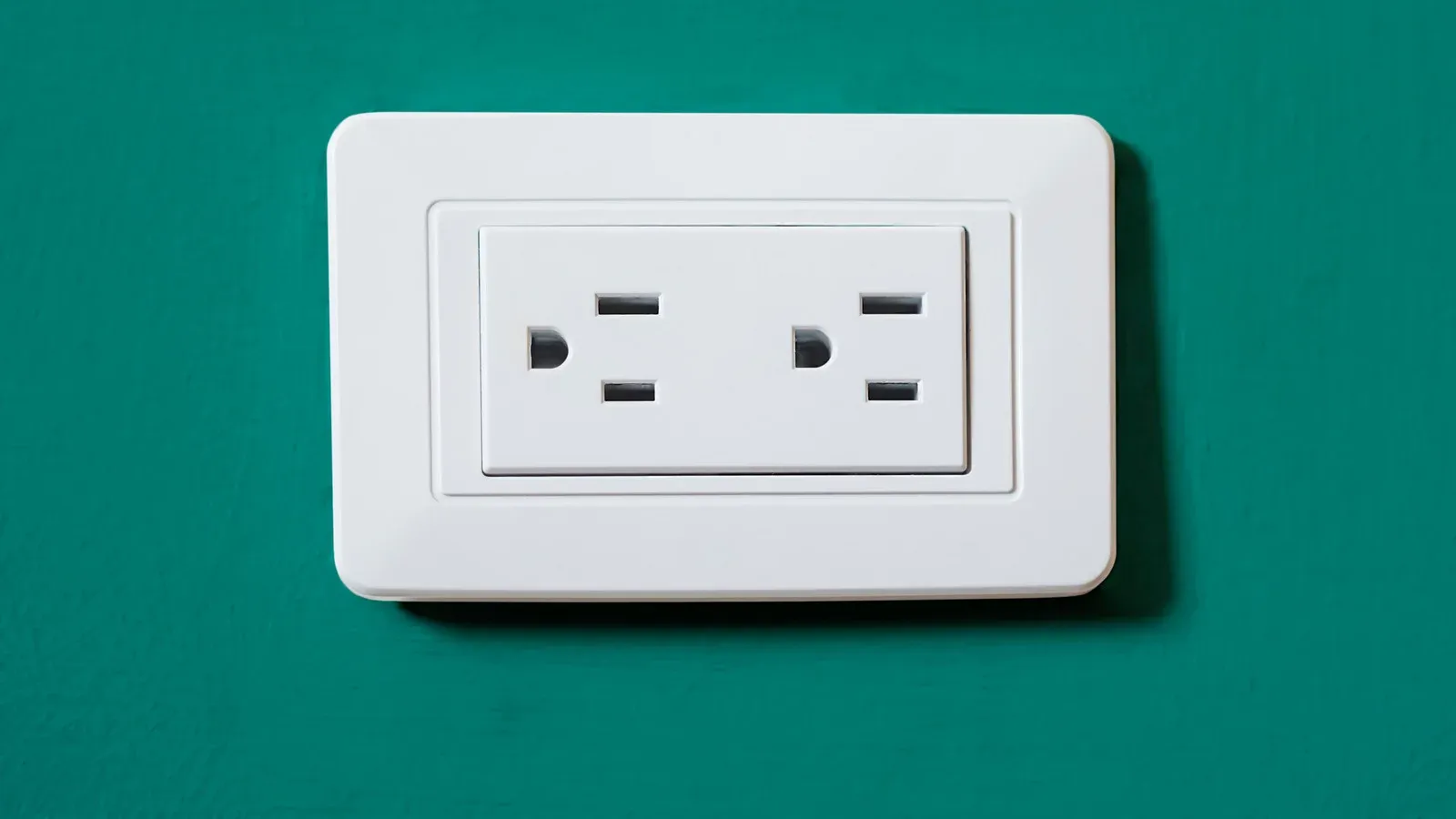
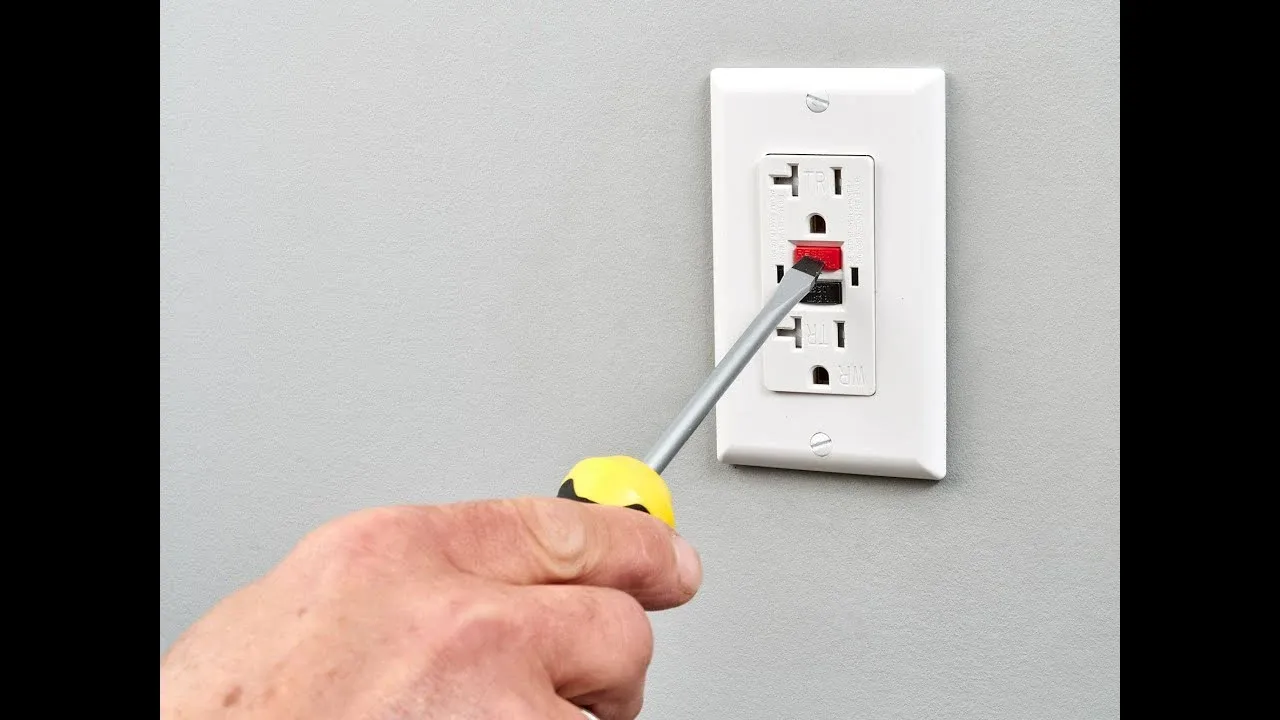
The outlet next to your kitchen sink has two small buttons labeled TEST and RESET. The ones in the living room do not. That difference is not random. It marks a safety device built for the places in your home where water and electricity meet.
So why are GFCI outlets required in kitchens and bathrooms? Water, wet hands, metal sinks and plugged-in appliances all raise the risk of a serious shock. A GFCI watches the current on a circuit and cuts power in a fraction of a second when some of it leaks away, as it can through a person. It lowers the risk of a dangerous shock, though no device removes every hazard.
This guide explains how GFCIs work, what the code expects and how to know if your outlets are protected.
What Is a GFCI Outlet?
GFCI stands for ground fault circuit interrupter. It is a device that shuts off power when it detects a ground fault.
A ground fault happens when electricity leaves its normal path and finds another way to the ground. That path might be water, a damaged appliance or a person’s body. Even a small amount of current flowing through a person can cause serious injury.
A circuit breaker works differently. It protects the wiring from overloads and short circuits, which involve large amounts of current. A breaker will not trip on the small leak that can shock a person. A GFCI is designed for exactly that.
GFCI protection can come from different devices. The most familiar is a GFCI receptacle with TEST and RESET buttons. It can also come from a GFCI circuit breaker in the panel. That means a regular-looking outlet may still be protected by a device somewhere else on the circuit.
How Does a GFCI Outlet Work?
A GFCI compares the current going out to a device with the current coming back. Here is what happens:
- Current flows out on the hot wire to your toaster, hair dryer or other device.
- The same amount should return on the neutral wire. The GFCI checks both, constantly.
- If some current escapes, such as through water or a person, less comes back than went out.
- When that difference reaches a few thousandths of an amp, the GFCI senses it. GFCIs made to protect people are designed to trip at about 4 to 6 milliamps.
- The GFCI cuts power in a fraction of a second, fast enough to help prevent a serious injury.
A GFCI does not detect water. It detects missing current. Water is just one common way current escapes.
A GFCI also does not replace the circuit breaker, the grounding system or other protection. Each one handles a different kind of problem.
Why Do Kitchen Outlets Need GFCI Protection?
Kitchens combine water and electricity more than almost any other room. Think about a typical morning. Someone fills the coffee maker at the sink, wipes a wet counter near the toaster and plugs in a blender with damp hands.
Splashes reach outlets and cords. Wet counters put appliances in contact with water. Metal sinks and faucets give current a path through a person to the ground. And appliances with worn cords or internal damage can leak current onto their metal parts.
Water is not the only cause of ground faults, since a damaged appliance can create one in a dry kitchen too. But water makes a shock far more likely to cause harm, which is why kitchens get extra protection.
Do All Kitchen Outlets Need GFCI Protection?
Under recent code editions, generally yes. Older codes only covered outlets serving the countertop. Newer editions expanded that to receptacles throughout the kitchen, not just those near the sink or on the counter. Some appliances, like dishwashers, also have their own GFCI requirements.
That does not mean every older kitchen breaks the rules. Code requirements apply to the edition in force when the work was permitted. An older kitchen wired to the rules of its time may be legal as it stands, even if it falls short of today’s standard.
Also, protection does not always mean a GFCI outlet at every spot. One GFCI receptacle or breaker can protect several outlets downstream on the same circuit.
Why Do Bathroom Outlets Need GFCI Protection?
Bathrooms combine water, wet skin and handheld appliances. Picture someone stepping out of the shower, hair still wet, and plugging in a hair dryer next to a full sink. If that hair dryer has a damaged cord or falls into the water, current can flow through the person instead of back through the cord.
Wet skin lowers the body’s resistance, so more current can flow, and nearby faucets and plumbing give it a path to the ground. A GFCI is built to cut power before that kind of shock becomes deadly. It reduces the risk, but only if it is working, and it is not a guarantee.
Does Every Bathroom Outlet Need GFCI Protection?
Yes. Current code requires GFCI protection for receptacles in bathrooms.
That does not mean every bathroom outlet must have its own TEST and RESET buttons. A single GFCI receptacle or a GFCI breaker can protect several outlets. In some homes, one GFCI in one bathroom protects the outlets in another bathroom on the same circuit.
GFCI Requirements for Kitchens vs. Bathrooms
| Area | Why Protection Matters | Typical Electrical Hazards | Important Code Considerations |
|---|---|---|---|
| Kitchen receptacles | Water, appliances and heavy use in one room | Splashes, wet counters, damaged appliance cords | Recent editions cover receptacles throughout the kitchen |
| Kitchen countertops | Small appliances sit near the sink | Toasters, mixers and kettles used with wet hands | Long required, and still required |
| Areas near sinks | Direct contact with water and metal plumbing | Wet hands, splashes, grounded metal sinks | Code also covers receptacles near sinks in other rooms |
| Bathroom receptacles | Wet skin and handheld appliances | Hair dryers, curling irons, shavers | All bathroom receptacles require protection |
| Specific appliances | Some appliances are connected to water or plumbing | Dishwashers and similar equipment | Some appliances have their own GFCI rules |
What Does the Electrical Code Say About GFCI Outlets?
The National Electrical Code, or NEC, sets the rules for safe electrical installations. Its GFCI requirements for homes are found in Article 210. The list of locations has grown over the decades, starting with outdoor and bathroom outlets and later adding kitchens, garages, basements, laundry areas and more.
Because the requirements change with each edition, the rules for your home depend on which edition was in force when the work was done.
Minnesota Electrical Code Requirements
Minnesota adopted the 2026 NEC effective August 17, 2026. According to the Minnesota Department of Labor and Industry, permits filed before that date follow the 2023 NEC, and permits filed on or after it follow the 2026 NEC. For kitchens and bathrooms, the 2026 edition carries forward the protection required in recent editions.
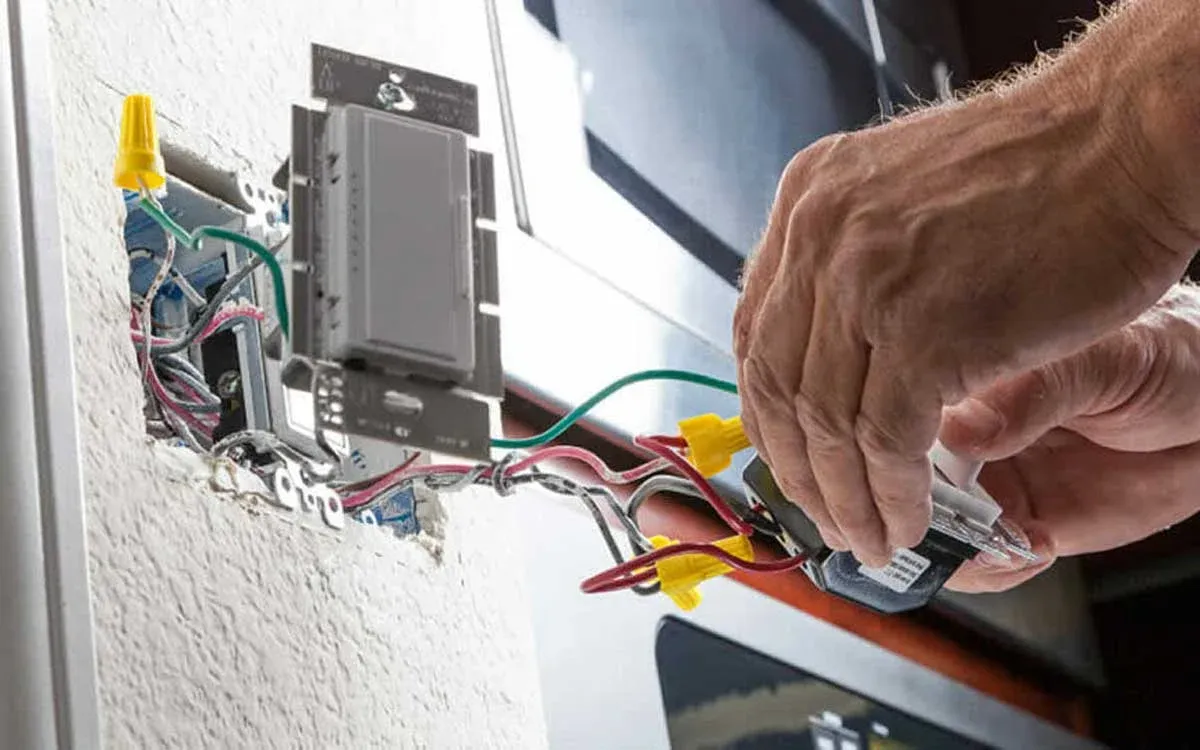
An existing installation does not automatically have to be upgraded every time the code changes. But new work, remodels and replacements are a different story. When a receptacle is replaced in a location that now requires GFCI protection, the replacement generally needs to be protected. A licensed electrician can confirm exactly what applies to your project.
What’s the Difference Between a GFCI Outlet and a Regular Outlet?
| Feature | GFCI Outlet | Regular Outlet |
|---|---|---|
| Powers your devices | Yes | Yes |
| Watches for ground faults | Yes | No, unless protected by a GFCI upstream or at the panel |
| TEST and RESET buttons | Yes | No |
| Protects outlets downstream | Can, if wired to do so | No |
A regular outlet can still be GFCI protected if it sits downstream of a GFCI outlet or on a circuit with a GFCI breaker. Many protected outlets have a small sticker that reads “GFCI Protected.”
It also helps to know what a GFCI does not do. It is not a surge protector, so it will not protect electronics from voltage spikes. It is not an AFCI either. An arc fault circuit interrupter detects dangerous sparking in wiring that can start fires. A GFCI protects people from shock. They are different devices for different hazards.
Is a GFCI Outlet Different From a GFCI Circuit Breaker?
Both provide the same kind of ground fault protection. The difference is where they sit.
A GFCI receptacle is installed at the outlet. It protects itself and can protect outlets downstream from it on the same circuit. A GFCI breaker is installed in the electrical panel and protects the entire circuit it feeds.
Neither option is always better. Electricians choose based on the circuit layout and how easy the device will be to reset.
What If Your Kitchen or Bathroom Doesn’t Have GFCI Outlets?
Many older homes have plain outlets in the kitchen or bathroom. That can be because the home was built before GFCIs were required, or because a past owner replaced an outlet without adding protection.
Not seeing TEST and RESET buttons does not prove the outlet is unprotected. It may be fed from a GFCI outlet in another room, a GFCI in the garage or a GFCI breaker in the panel. An electrician can check what protects each outlet.
Should Older Homes Be Upgraded With GFCI Protection?
Even when it is not legally required, adding GFCI protection to kitchens and bathrooms is a sensible safety upgrade. It is often one of the simpler improvements an older home can get. A qualified electrician can review your system and recommend GFCI outlet installation where it makes sense.
How Do You Know if a GFCI Outlet Is Working?
GFCIs can wear out, so they need regular testing. ESFI, the Consumer Product Safety Commission and UL all recommend testing GFCIs once a month.
The test is simple:
- Plug a small lamp or night light into the outlet and turn it on.
- Press the TEST button. The light should go off.
- Press RESET. The light should come back on.
If the light stays on after pressing TEST, the outlet will not reset or power does not come back, have an electrician check it. The same goes for outlets that look damaged, feel warm or trip often.
The built-in test confirms the device can trip. It does not check every part of the wiring, so it does not replace a professional inspection.
Why Does a GFCI Outlet Keep Tripping?
A GFCI that trips is often doing its job. Common causes include a faulty appliance, moisture in an outlet box, damaged wiring or a worn-out GFCI.
Repeated tripping should not be ignored. Never replace a GFCI with a regular outlet just to stop the tripping, since that removes the protection.
What If a GFCI Outlet Won’t Reset?
A GFCI that will not reset may still sense a fault on the circuit. It may also have no power coming to it, often because a breaker tripped, or the device itself may have failed. If checking the breaker does not solve it, call an electrician rather than opening the outlet.
GFCI Outlet Safety for White Bear Lake Homeowners
GFCI questions often come up during a kitchen remodel, a bathroom update or a home purchase. It is a good time to make sure every outlet near water is protected the way it should be.
Moisture can also be a concern in Minnesota homes, from damp basements to bathrooms that run hot showers all winter. If you are not sure what protects the outlets in your home, Chris Electric can check them and explain what we find. For a broader look at warning signs, see our guide to home electrical problems.
When Should You Call an Electrician About GFCI Outlets?
Call an electrician if your kitchen or bathroom outlets have no clear GFCI protection, a GFCI trips often, fails its test or will not reset, or an outlet looks damaged or feels warm. Unexplained power loss, moisture near outlets, an older electrical system or an upcoming remodel are also good reasons for a check.
If an outlet is smoking, melting or sparking, stay away from it. If there is smoke or fire, leave the home and call 911.
Keep Your Kitchen and Bathroom Outlets Safe in White Bear Lake, MN
GFCI protection lowers the risk of shock by cutting power the moment it senses current leaking where it should not. That is why kitchens and bathrooms, where water and electricity meet every day, are among the most important places to have it.
Remember that buttons alone do not tell the full story. A plain outlet may be protected, and a GFCI with buttons may have stopped working. Monthly testing helps, and a professional check can confirm the rest.
If you have questions about the outlets in your home, Chris Electric can help. Homeowners in White Bear Lake can reach out to schedule a GFCI check, a new installation or a replacement. For more everyday habits, see our electrical safety tips for homeowners.
Frequently Asked Questions
Are GFCI outlets required in every kitchen?
For new work under recent code editions, GFCI protection is generally required for kitchen receptacles. Older kitchens may follow the rules in force when they were wired. Protection can come from a GFCI outlet or a GFCI breaker, so not every outlet needs its own buttons.
Does every bathroom outlet need GFCI protection?
Yes. Current code requires GFCI protection for bathroom receptacles. One GFCI outlet or breaker can protect several outlets, so a bathroom outlet without buttons may still be protected by another device on the circuit.
How far does an outlet have to be from a sink to need GFCI protection?
In kitchens and bathrooms, the requirement does not depend on distance under recent editions. Elsewhere in the home, such as near a wet bar or utility sink, recent codes require GFCI protection for receptacles within 6 feet of the sink. An electrician can confirm what applies in your home.
Can a regular outlet be protected by a GFCI breaker?
Yes. A GFCI breaker in the panel protects every outlet on that circuit, including standard outlets with no buttons. You can press the TEST button on the breaker to check it. A “GFCI Protected” sticker on the outlet cover is a helpful clue.
How often should GFCI outlets be tested?
Once a month. ESFI, the CPSC and UL all recommend monthly testing. Use the TEST and RESET buttons with a lamp plugged in. If the outlet does not cut power when tested or will not reset, have it checked by an electrician.
Do older homes need to upgrade kitchen and bathroom outlets to GFCI?
Not always by law. Existing wiring can generally stay as it was installed. But remodels and outlet replacements often trigger current rules. Even when it is not required, adding GFCI protection near water is a practical safety upgrade.