You are planning a new electric range, a heat pump or an EV charger. Then you notice the main breaker in your panel says 100. Now you are wondering whether you need to jump to 200 amps before the project can move forward.
The 100 amp vs 200 amp electrical panel question has a simple answer and a careful one. A 100 amp service can be enough for homes with moderate electrical demand. A 200 amp service gives roughly twice the capacity for homes with larger loads. Which one you need depends on a proper load calculation, your existing equipment and what you plan to add, not on the size or age of the house.
Bigger is not automatically better. Here is how homeowners in White Bear Lake can tell what their home really needs.
What Does 100 Amp or 200 Amp Mean on an Electrical Panel?
An amp, short for ampere, measures electrical current, the flow of electricity at any moment. Your service rating is the maximum current the service equipment is built to deliver. It is a limit, not a measure of how much electricity you use. Your bill counts energy in kilowatt-hours, and a 200 amp service does not use more of it than a 100 amp service. It simply allows more to be used at once.
Most homes have 120/240 volt service. Lights and outlets use 120 volts, while ranges, dryers and EV chargers use 240 volts.
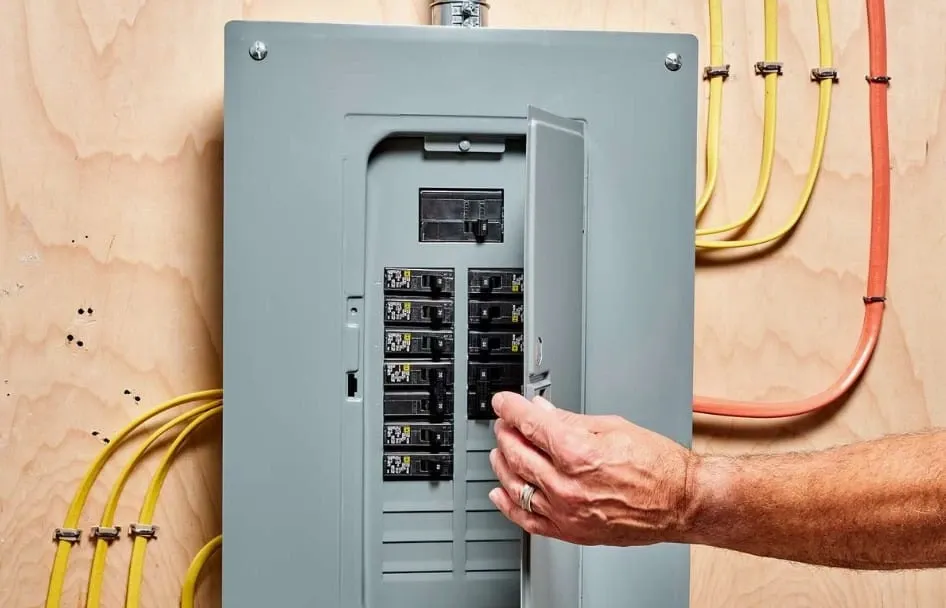
The main breaker at the top of the panel is usually labeled with the rating. But the full service rating also depends on the service wires coming in, the meter equipment and the panel itself. A panel rated for 200 amps fed by 100 amp service wires is still a 100 amp service. An electrician can confirm what you actually have.
What Is a 100-Amp Electrical Panel?
A 100 amp service was a common standard for decades and is still found in many homes. It can comfortably support a home that heats with gas, cooks with gas or uses a modest number of large electric appliances.
It is not automatically outdated or unsafe. What limits it is room for growth. Each major electric appliance you add uses up part of that capacity, and eventually there may not be enough left for the next one.
What Is a 200-Amp Electrical Panel?
A 200 amp service provides twice the current capacity. It is common in new homes and in homes with electric heat, several large appliances or plans to electrify. No rule requires every modern home to have 200 amps. It is a capacity choice for homes that need it.
100 Amp vs. 200 Amp Electrical Panel: Key Differences
| Feature | 100-Amp Electrical Service | 200-Amp Electrical Service |
|---|---|---|
| Current capacity | 100 amps | 200 amps |
| Nominal capacity at 240 volts | About 24 kVA | About 48 kVA |
| Typical fit | Homes with moderate loads, often gas heat and cooking | Homes with electric heat, many large appliances or electrification plans |
| Room for new equipment | Limited, depends on existing demand | More room, but still not unlimited |
| EV charging | Possible in many homes, often at lower current or with load management | Easier to fit, though a load calculation still applies |
| Electric heat and heat pumps | May be tight, depending on the system | Usually more comfortable |
| Breaker spaces | Depends on the panel model | Depends on the panel model |
| Moving between them | Upgrading involves service work and the utility | Already at the higher capacity |
| Load calculation needed? | Yes, before adding major loads | Yes, before adding major loads |
The kVA figures are nominal, meaning simple amps times volts. They are not the amount you can run continuously, and they do not replace a code-based load calculation. A kVA, or kilovolt-ampere, is roughly comparable to a kilowatt for this purpose.
The number of breaker spaces depends on the panel’s design, not the service rating. Some 100 amp panels have plenty of spaces, and some 200 amp panels fill up fast.
Is a 100-Amp Electrical Panel Enough for a House?
Often, yes. A 100 amp service is enough when the calculated demand fits within it and the equipment is in good condition.
What decides it is the home’s major loads. Heating type is the biggest factor. A gas furnace uses little electricity, while electric baseboard heat or an electric furnace uses a lot. Cooking, drying clothes, water heating and central air all add up depending on whether they run on gas or electricity.
Square footage alone does not decide it. Two homes of the same size can have very different needs. A gas-heated home with a gas range may have plenty of room at 100 amps, while an all-electric home of the same size may not.
Can a 100-Amp Panel Handle Modern Appliances?
In many homes, yes. Appliances do not all run at full power at the same time. The dishwasher, dryer, oven and air conditioner rarely all peak together. Electrical code calculation methods account for this with demand factors, which reflect how homes actually use power.
That is why simply adding up the amp ratings of every appliance gives the wrong answer. A proper load calculation gives the right one.
Can a 100-Amp Panel Support an EV Charger?
Many can. It depends on the home’s existing calculated demand, the charging current you want and whether load management is an option. A lower-current Level 2 charger often fits where a high-current one would not. A 200 amp service is not required for every Level 2 charger. For more detail, see whether your panel can handle an EV charger.
When Does a Home Need a 200-Amp Electrical Service?
A larger service makes sense when the load calculation shows the existing service cannot support the home’s current or planned loads. That often happens when a home has or plans:
- Electric heat or a heat pump with electric backup heat
- An electric range, dryer and water heater together
- One or two EV chargers
- A hot tub, sauna or pool equipment
- A finished basement, addition or accessory living space
- A workshop with large tools or welders
No single appliance automatically requires 200 amps. Even homes with several large loads may have options, such as load management, that keep them within the existing service.
Is 200-Amp Service Better for Larger Homes?
Larger homes often have more HVAC and appliances, so they are more likely to need extra capacity. But the equipment inside matters more than the size of the house.
Is 200-Amp Service Better for Future Upgrades?
It can be. If you plan to add an EV, switch to a heat pump or replace gas appliances with electric ones, a 200 amp service gives you room. Some homes can meet those needs through careful planning instead, such as a lower charging current or an energy management system that limits loads when demand is high.
How Do Electricians Determine Whether You Need 100 or 200 Amps?
The answer comes from a load calculation, a method set out in the National Electrical Code for estimating a home’s real demand.
An electrician looks at the existing service, the home’s floor area (which sets a baseline for lighting and general outlets), fixed appliances, heating and cooling, other major loads and any EV charging. Demand factors account for loads not all running at once, and energy management systems can count where code allows them.
The result shows how much of the service your home really uses, and how much room is left. Minnesota’s adopted code edition sets the exact method, and the 2026 NEC reorganized some of these requirements. A licensed electrician will apply the correct version.
Can You Estimate Your Electrical Load Yourself?
You can gather useful information. Make a list of your major appliances, their nameplate ratings, your heating and cooling type and anything you plan to add. That list helps an electrician work faster.
Here is a simple illustrative example, not a real calculation. A gas-heated home with central air and an electric dryer might calculate to roughly 70 amps of demand on a 100 amp service. Adding a 40 amp EV circuit at full value could push it past the limit, while a lower-current charger or load management might keep it within range.
Online calculators and adding up appliance amps cannot replace a proper code-based calculation.
What Are the Signs Your Home May Need an Electrical Upgrade?
The clearest signs come from planning, not symptoms. You may need more capacity if a load calculation shows your service cannot support a planned addition, if you are adding several major electric appliances or if your panel is in poor condition or has no usable space.
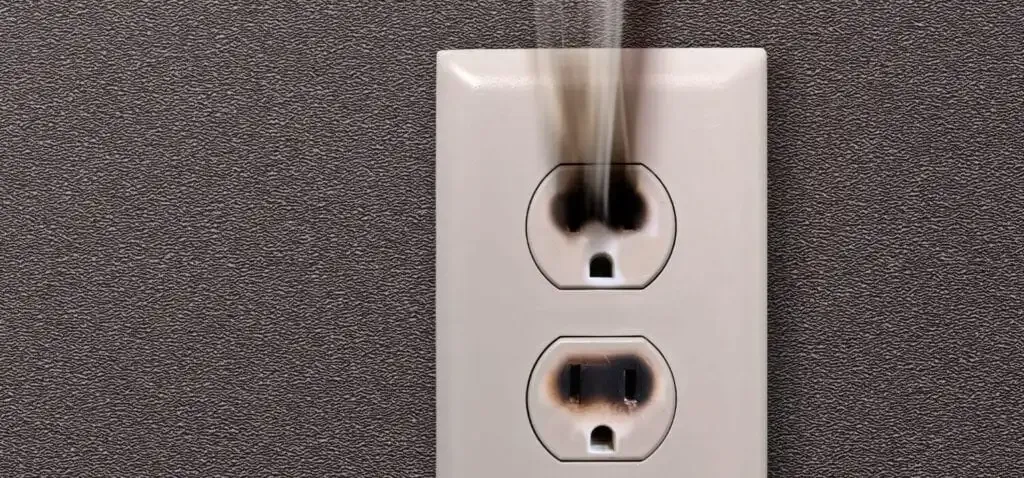
Symptoms like breakers tripping, lights dimming or warm outlets get a lot of attention. They can have many causes, including overloaded circuits, loose connections and faulty appliances. They do not prove your service is too small, and a 200 amp upgrade will not fix a wiring defect. If you notice a burning smell, smoke or a hot outlet, stop using the circuit and call an electrician, or 911 if there is fire.
What’s the Difference Between Replacing a Panel and Upgrading Electrical Service?
Electrical Panel Replacement
Replacing a panel swaps the old box of breakers for a new one. It can fix a damaged, worn or unsuitable panel, add breaker spaces or solve compatibility problems. If the new panel has the same rating as the old service, your available capacity stays the same.
Electrical Service Upgrade
A service upgrade increases the total current coming into your home, such as from 100 to 200 amps. Depending on the home, it may involve new service wires, a new meter socket, a new main disconnect or panel and updated grounding and bonding. It also requires coordination with your utility, which handles the connection on its side.
Does Adding a Subpanel Increase Electrical Capacity?
No. A subpanel adds space for more circuits, often in a garage or basement. It is still fed by your main service, so it does not add any capacity. Breaker space and service capacity are two different things.
Do You Need a 200-Amp Panel for an EV Charger or Heat Pump?
Not necessarily. EV chargers, heat pumps, electric water heaters and electric ranges are among the largest loads a home can add. Adding one may fit easily at 100 amps, while adding several at once is where capacity gets tight. A capacity check before buying equipment helps avoid surprises.
How Much Does It Cost to Upgrade From 100 Amps to 200 Amps?
Every home is different, so a reliable number requires a site visit. Cost depends on the condition and location of the panel and meter, whether the service wires, meter socket and main disconnect need replacing, utility requirements, grounding and bonding updates, how many circuits must be moved, access to the equipment and permit fees. National averages vary widely and are not a good guide for any one home.
Is Upgrading From 100 to 200 Amps Worth It?
It is worth it when your home actually needs the capacity, now or soon. If your load calculation shows plenty of room and you have no major projects planned, keeping a healthy 100 amp service is a reasonable choice. If you are electrifying or adding large loads, an upgrade may save you from piecemeal work later. Consider your plans, your equipment’s condition and the alternatives before deciding.
Will a 200-Amp Electrical Panel Lower My Electric Bill?
No. A bigger service only raises the limit on how much power your home can draw at once. Your bill depends on how much energy your appliances use, how often they run and your utility rates. For more on that, see why an electric bill can suddenly rise.
Should Older Homes Upgrade From 100 to 200 Amps?
Not automatically. Many older homes were wired around fewer appliances, and past renovations may have added loads. Still, an older 100 amp service can be the right fit if it is in good condition and has enough capacity. A panel that is damaged, poorly modified or too small for planned work is a different story.
What Does Minnesota Electrical Code Require for Service Upgrades?
Minnesota adopted the 2026 NEC effective August 17, 2026. According to the Minnesota Department of Labor and Industry, permits filed before that date must comply with the 2023 NEC, and permits filed on or after it must comply with the 2026 NEC.
A service upgrade generally requires an electrical permit and an inspection. The work must follow the adopted code for service sizing, load calculations, equipment ratings and grounding and bonding, and it involves coordination with the utility. Existing homes are not required to upgrade to 200 amps simply because the code changed.
100-Amp vs. 200-Amp Electrical Service in White Bear Lake, MN
Around White Bear Lake, kitchen remodels, basement finishes, garage upgrades, EV chargers, heat pumps and electric water heaters all add load to the existing service. Before starting a major project, it pays to know how much capacity you have. Chris Electric can review your panel, run a load calculation and tell you whether your current service will work or whether an upgrade makes sense.
How Does an Electrician Determine Which Electrical Panel Your Home Needs?
An electrician reviews the service equipment from the meter to the panel, confirms the actual ratings and checks the panel’s condition. They list your major loads, discuss planned additions and run the applicable load calculation. Then they consider load management, decide whether a panel replacement, service upgrade or neither is needed, and review utility and permit requirements. A proper assessment helps you avoid both an undersized system and an upgrade you do not need.
When Should You Contact an Electrician About Your Electrical Panel?
Talk to an electrician before adding major electric loads or remodeling, or if you see damage at the panel, run out of breaker spaces or are simply unsure what your service can handle. Empty spaces, the number on the main breaker or the size of your home cannot tell you on their own whether an upgrade is needed.
Need Help Choosing the Right Electrical Panel in White Bear Lake?
A 100 amp service can be the right fit for many homes, while 200 amps gives more room where demand calls for it. The decision should rest on a proper load calculation and the condition of your existing equipment, along with the projects you plan over the next few years.
If you are not sure what your home needs, Chris Electric can help. Homeowners in White Bear Lake can reach out for a panel capacity assessment and, where it makes sense, an electrical panel upgrade.
Frequently Asked Questions
Is 100-amp electrical service enough for a modern house?
It can be. Many homes with gas heat and gas cooking run comfortably on 100 amps. Homes with electric heat, several large electric appliances or EV charging may need more. A load calculation is the only reliable way to tell.
Do I need a 200-amp panel for central air conditioning?
Not necessarily. Many 100 amp homes have central air. Whether it fits depends on the size of the AC unit and the rest of the home’s load, especially electric heat, ranges and dryers. A load calculation will show whether there is room.
Can I install an EV charger with a 100-amp panel?
Often, yes. Many 100 amp homes can support a Level 2 charger at a lower current setting or with load management. Homes that already have heavy electric loads may need more capacity. An electrician can run a load calculation to confirm.
Is a 200-amp panel safer than a 100-amp panel?
Not by itself. Safety depends on the condition of the panel, proper installation and whether the service is sized for the home’s loads. A healthy 100 amp service that fits the home is safe. An overloaded or damaged system of any size is not.
Does upgrading to 200 amps reduce electricity bills?
No. Service capacity sets how much power you can draw at once, not how much you use. Your bill depends on your appliances, how long they run and your utility rates.
How do I know whether my house has 100-amp or 200-amp service?
The main breaker at the top of the panel is usually labeled with its rating. But the service wires and meter also set the limit, so the label alone may not tell the full story. An electrician can confirm your actual service rating.
Can I add more circuits without upgrading electrical service?
Often, yes, if the panel has usable space and the load calculation shows capacity left. If the panel is full, a subpanel can add space but not capacity. If the service itself is maxed out, load management or an upgrade may be needed.