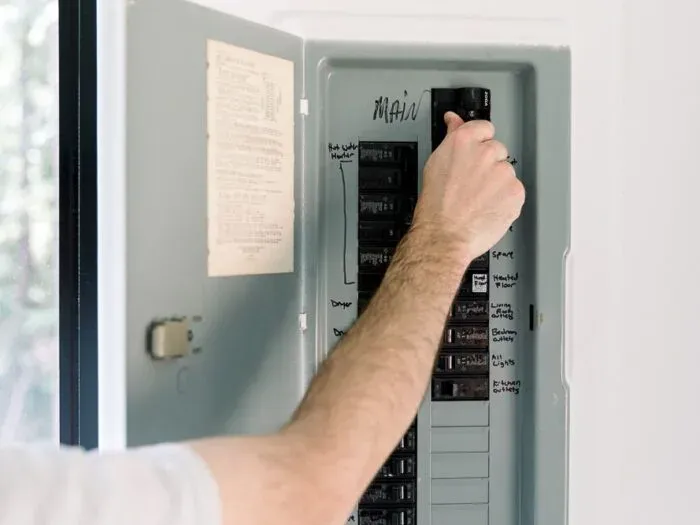
You run the microwave while the space heater is on, and half the kitchen goes dark. At the panel, one breaker sits in the middle position. You flip it back, and an hour later it happens again.
When a circuit breaker keeps tripping, it is reacting to something. The most common causes are an overloaded circuit, a short circuit, a ground fault, an arc fault caught by an AFCI breaker, a faulty appliance, damaged wiring or, less often, a worn-out breaker. Each one shows up a little differently, and the symptoms alone cannot confirm which one you have.
Here is what homeowners in White Bear Lake and beyond should know about each cause, what the tripping pattern may mean and when to call for help.
Why Does a Circuit Breaker Keep Tripping?
A circuit breaker is a safety switch in your electrical panel. It protects the wiring on one branch circuit by cutting power when the current gets too high or, for some breaker types, when it senses a specific fault.
| Possible Cause | Common Warning Signs | Recommended Response |
|---|---|---|
| Circuit overload | Trips after several devices run for a while | Spread out heavy loads. If it continues, have the circuit checked. |
| Short circuit | Trips instantly, sometimes with a pop or spark | Do not reset again. Call an electrician. |
| Ground fault | GFCI breaker trips, often near water or outdoors | Unplug devices on the circuit and have it checked if it repeats. |
| Arc fault | AFCI breaker trips with no clear overload | Note what was running and have the circuit checked. |
| Faulty appliance | Trips when one specific appliance turns on | Stop using that appliance and have it checked. |
| Damaged wiring | Trips at random, warm outlets or a burning smell | Stop using the circuit and call an electrician. |
| Breaker problem | Trips well below its rating or will not reset | Have the breaker and panel evaluated. |
These are possibilities, not diagnoses. An electrician has to test the circuit to know for sure.
1. Overloaded Electrical Circuits
An overload happens when the devices on a circuit draw more current than the circuit is rated for. Most household circuits are rated at 15 or 20 amps. A space heater can draw around 12 amps, a microwave or hair dryer can draw close to that, and a vacuum adds several more. Put two of them on the same circuit and the total can pass the limit.
Breakers handle overloads with a built-in delay. A small overload heats a part inside the breaker slowly, so the trip may take several minutes. That is why an overload often shows up as a breaker that trips after the heater has been running for a while.
Running several appliances does not always mean an overload. It depends on what they draw and which circuits they share. If the same circuit overloads often, the fix is spreading the load or adding a circuit, never a bigger breaker.
2. Short Circuits
A short circuit happens when a hot wire touches a neutral wire or another conductor it should not. Current takes that easy, unintended path and spikes to a very high level almost instantly.
Breakers react to short circuits right away, often with a loud snap. Common causes include damaged wire insulation, a nail or screw driven into a wire, a loose wire inside a box and faulty appliances or cords.
A short can be serious. Have an electrician find the cause, and please do not open outlets or switches to look for it.
3. Ground Faults
A ground fault is a type of short where current escapes to the ground, through a metal box, water, a grounded pipe or a person. Moisture, damaged insulation and faulty equipment are frequent causes.
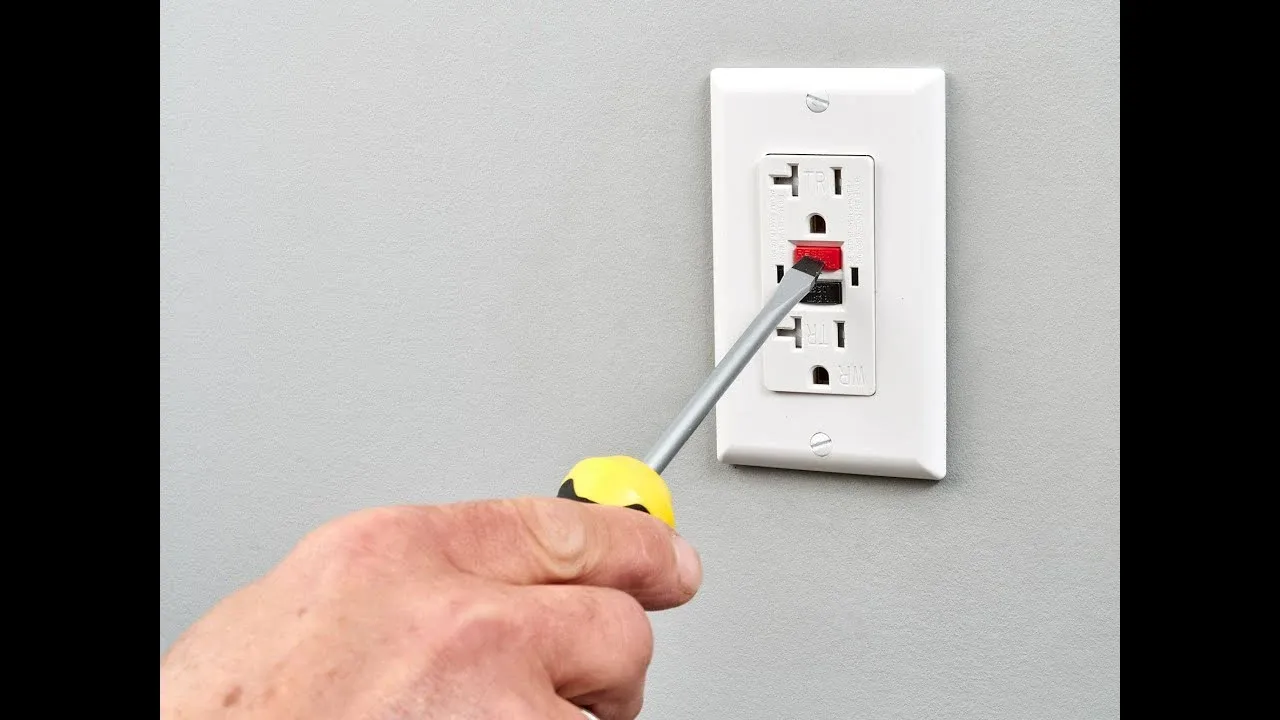
A standard breaker only trips on a ground fault if the current gets high enough. Small leaks can still shock a person without tripping it. That is the job of GFCI protection, which cuts power when it senses a small leak of just a few milliamps. GFCI breakers protect a whole circuit from the panel, while GFCI outlets protect at the outlet.
A GFCI breaker that trips has found current going somewhere it should not, which is worth taking seriously. For more on where this protection is required, see why GFCI outlets are required in kitchens and bathrooms.
4. Arc Faults and AFCI Breakers
An arc is electricity jumping across a gap, such as between a loose wire and its terminal. Arcing creates intense heat in a small spot and is a known cause of electrical fires. AFCI breakers, short for arc fault circuit interrupter, watch for the patterns arcing creates and cut power. They are common in bedrooms and living areas of newer homes.
An AFCI may trip because of a damaged cord, a loose connection, a nail through a wire or a failing device. Some trips come from interactions with certain motors or electronics rather than a wiring defect. Because the causes range so widely, an AFCI that trips repeatedly needs proper diagnosis, not guesswork.
5. Faulty Appliances
Sometimes the problem is plugged in, not in the walls. A microwave with a failing part, a refrigerator with a worn compressor, a washer with a damaged motor or a space heater with a frayed cord can all trip a breaker.
Motors draw a short burst of extra current when they start, which is normal. A healthy appliance on a properly sized circuit should not trip the breaker each time.
Stop using any appliance that sparks, smells hot or has visible damage.
6. Damaged or Deteriorating Electrical Wiring
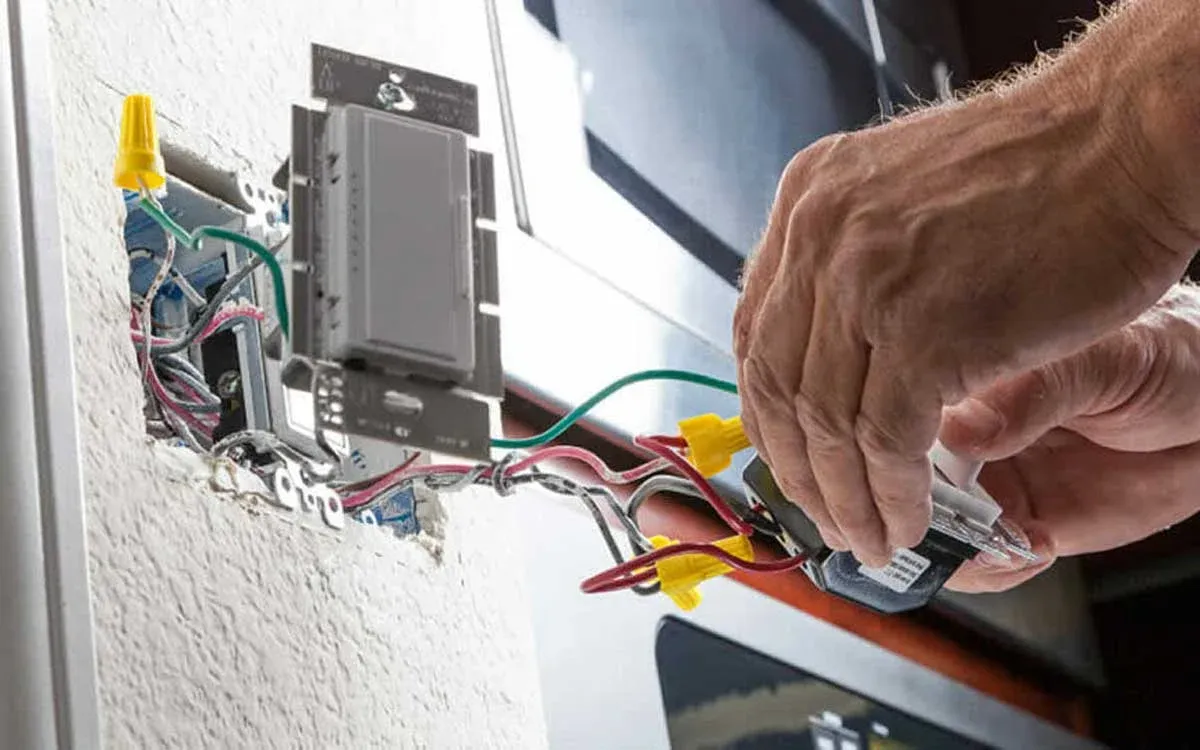
Insulation can crack from heat or age, connections can loosen, and past DIY changes can leave poor splices. Rodents and water can damage wires too. Age alone does not prove a defect. But a breaker that trips with no clear pattern, along with warm outlets, flickering lights or a burning smell, points toward the wiring. That kind of problem needs professional troubleshooting.
7. Problems With the Circuit Breaker Itself
Breakers wear out, and some fail. A breaker may trip well below its rating, feel loose in the panel, or refuse to stay reset. Sometimes the wrong type of breaker was installed, or one that is not listed for the panel.
Still, the breaker is usually the messenger, not the problem. Replacing it should follow a diagnosis. Never swap in a higher-rated breaker to stop the tripping. The breaker size has to match the wire it protects, and a larger breaker can let the wire overheat. If testing does point to the breaker, circuit breaker repair by a licensed electrician is the safe fix.
What Does It Mean When a Breaker Trips in Different Ways?
Breaker Trips Immediately After Resetting
An instant trip usually means a fault is still present on the circuit, such as a short or ground fault. Do not keep resetting it. Each reset sends a burst of fault current through the wiring. Leave the breaker off and call an electrician.
Breaker Trips After a Few Minutes
A delayed trip often points to an overload, since breakers react slowly to small overloads. But it can also come from an appliance that heats up and then fails, or a loose connection that worsens as it warms. Timing is a clue, not proof.
Breaker Trips When an Appliance Turns On
This can mean the appliance has a fault, the circuit is already close to its limit or the starting current is more than the circuit can handle with everything else running. Try the appliance on a different circuit. If it trips there too, the appliance is likely the problem.
Breaker Trips With Nothing Plugged In
Unplugging everything does not remove every load. Ceiling lights, bath fans, smoke alarms, garage door openers and other hardwired devices still run on the circuit. A fault in the wiring itself, or in a device inside a wall or ceiling, can also trip the breaker with nothing plugged in. This usually needs professional troubleshooting.
Breaker Won’t Reset
A breaker that will not stay on may be holding a fault, or the breaker itself may be damaged. Some breakers must be pushed fully to OFF before they reset. If it still will not hold, stop there. Never force a breaker or hold it in place.
What’s the Difference Between Standard, GFCI, and AFCI Breakers?
| Breaker Type | Primary Protective Function | Why It May Trip |
|---|---|---|
| Standard breaker | Protects wiring from overloads and short circuits | Too much current or a short |
| GFCI breaker | Overcurrent protection plus protection for people from shock | Current leaking to ground, often through moisture or damaged equipment |
| AFCI breaker | Overcurrent protection plus detection of dangerous arcing | Loose connections, damaged wires or cords, some equipment interactions |
| Dual-function AFCI/GFCI | Combines arc fault and ground fault protection | Any of the above |
Many AFCI and GFCI breakers show which fault caused the trip through an indicator light or by how the trip button sits. That helps an electrician narrow down the search.
What Should You Do When a Circuit Breaker Keeps Tripping?
Your observations help an electrician. Note which rooms lose power, what was running, whether it tripped right away or after a while, and any smells, sounds, heat or damage.
If a breaker trips once after an obvious overload, you can reduce the load and reset it according to the panel’s instructions. If it trips again right away, or keeps tripping, stop resetting it.
Do not reset a breaker if you smell burning, see smoke or sparks, or notice heat or damage near the panel or an outlet. Never remove the panel cover, touch anything inside it, replace a breaker, install a larger one or bypass any protection. A tripping breaker is telling you something. It is not a nuisance to work around.
When Is a Tripping Circuit Breaker Dangerous?
A tripping breaker becomes urgent when it comes with a burning smell, smoke, sparking, scorched or hot outlets, crackling from the panel, shocks from fixtures or water near electrical equipment. A breaker that trips instantly every time also needs prompt attention.
If there is smoke or fire, leave the home and call 911. For the other signs, stop using the circuit and call an electrician promptly. How serious a situation is depends on the fault behind it, not just on how often the breaker trips. For a wider look at warning signs, see our guide to the signs of electrical problems in a house.
Do Older Homes Have More Circuit Breaker Problems?
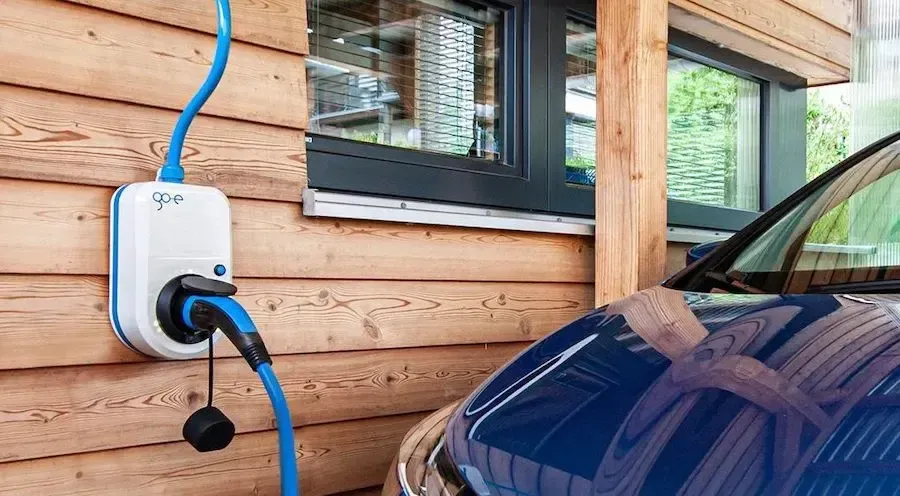
Older homes were wired for fewer appliances. A kitchen built decades ago may have one or two circuits for a counter that now holds an air fryer, a coffee maker and a microwave. Older panels may also have aging breakers and changes from past owners. That does not make an older home unsafe, since the system’s actual condition matters more than its age. White Bear Lake homeowners planning a remodel or adding large equipment like a hot tub or EV charger can benefit from having the existing system reviewed first.
Why Circuit Breakers May Trip More Often During Minnesota Winters
Cold weather does not trip breakers by itself, but Minnesota winters change how homes use power. Space heaters run for hours in basements and home offices, holiday lights go up, and block heaters and garage equipment come on. That can push busy circuits past their limit. A breaker that trips only in winter usually points to a specific seasonal load.
Does a Tripping Circuit Breaker Mean You Need a New Electrical Panel?
Usually not. Most tripping breakers are solved by fixing the actual cause. Depending on the diagnosis, that may mean repairing a loose connection, replacing damaged wire, adding a dedicated circuit for a heavy appliance or replacing a single faulty breaker.
A panel replacement is a bigger job. It makes sense when the panel is damaged, out of space or no longer suitable. A service upgrade increases the total power coming into the home, and it only makes sense when the home truly needs more capacity. If that is the case, an electrical panel upgrade may be the right next step.
Circuit Breaker Problems in White Bear Lake, MN
Tripping breakers come up in all kinds of homes, from older houses with limited circuits to newer homes with AFCI and GFCI breakers. Garage workshops, remodels and new appliances can all change how much a circuit has to carry. Chris Electric can trace a tripping breaker to its source and explain your options in plain terms.
How Does an Electrician Find the Cause of a Tripping Breaker?
An electrician starts with your description of when and how the breaker trips. From there, they identify everything on the circuit, estimate its load, check the breaker type and any trip indicators, and test the appliances involved. Then they inspect outlets and connections and test the wiring with professional equipment before recommending a fix. Different symptoms call for different tests, so the process varies from home to home.
When Should You Call an Electrician for a Tripping Breaker?
Call an electrician if a breaker trips often or instantly, will not stay reset, or if several circuits are tripping. Problems that started after electrical work, suspected wiring damage and unexplained power loss also deserve a visit. Replacing a breaker without knowing why it tripped may hide a problem rather than fix it.
Need Help With a Tripping Circuit Breaker in White Bear Lake?
Breakers trip for many reasons, including overloads, short circuits, ground faults, arc faults, bad appliances and wiring problems. One trip after running too much at once is usually the breaker doing its job. Repeated trips are different, and they deserve a closer look.
Watch for burning smells, heat and instant trips, and leave the testing and repairs to a professional. If a breaker in your home keeps tripping, Chris Electric can help find out why. Homeowners in White Bear Lake can reach out to schedule electrical troubleshooting or an inspection.
Frequently Asked Questions
Why does my circuit breaker keep tripping with nothing plugged in?
Hardwired items like lights, fans and smoke alarms still draw power on that circuit. A damaged wire, a loose connection or a fault inside a wall box can also cause trips with nothing plugged in. Because the cause is often hidden, this usually needs professional troubleshooting.
Is it dangerous if a breaker keeps tripping?
It can be. The breaker itself is protecting you, but it is reacting to a problem that may involve overheating, damaged wiring or a fault. Repeated trips, especially with heat, smells or sparks, should be checked by an electrician soon.
Why does my breaker trip immediately after I reset it?
An instant trip usually means a fault is still present, such as a short circuit or ground fault. It could also be a damaged breaker. Do not keep resetting it, since each reset sends fault current through the wiring. Leave it off and call an electrician.
Can a bad appliance cause a circuit breaker to trip?
Yes. A failing motor, a damaged cord or an internal short in an appliance can trip a breaker. If the appliance trips breakers on different circuits, it is the likely cause. Stop using it and have it repaired or replaced.
Does a tripping breaker mean I need a new electrical panel?
Usually not. Most trips come from an overload, a bad appliance, a wiring problem or a single faulty breaker. A new panel is only needed when the panel itself is damaged, unsuitable or too small for your home’s needs, which an electrician can determine.
How can I tell if a circuit is overloaded?
Signs include a breaker that trips after several appliances run for a while, lights that dim when something turns on, and outlets or cords that feel warm. Heavy reliance on power strips is another clue. An electrician can measure the load and confirm it.