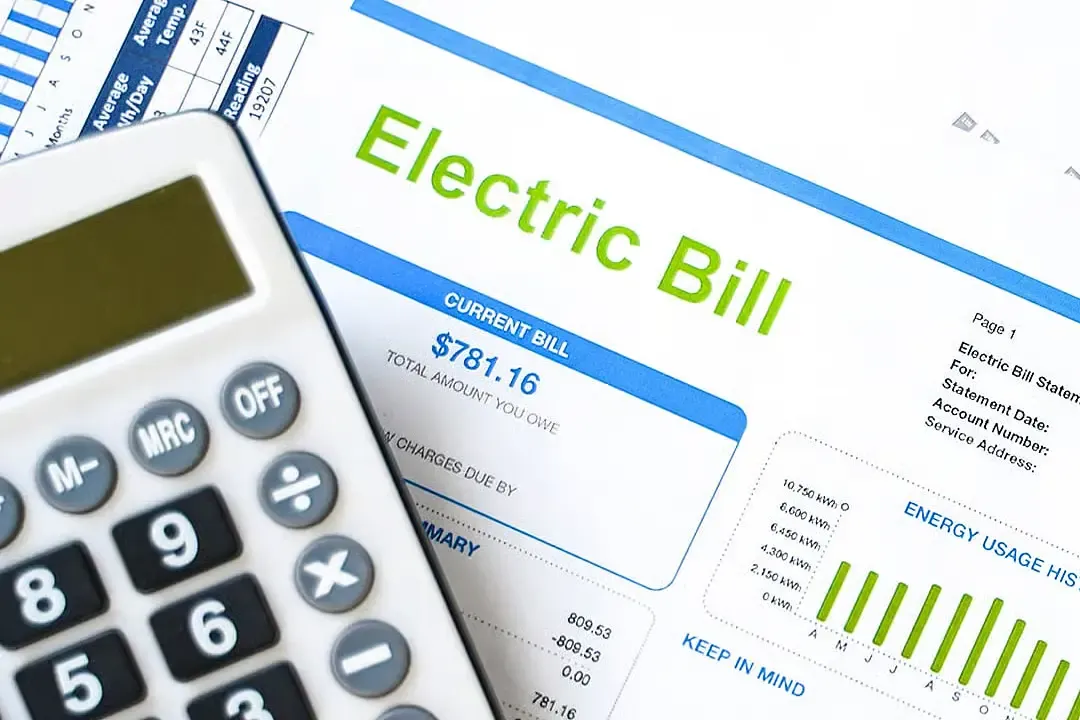
You open this month’s electric bill and the total is far higher than last month. Nothing feels different at home. Is an appliance failing? Is something wrong with the wiring?
So why is my electric bill suddenly so high? Most of the time, the answer is one of a few things: more heating or cooling, an appliance running more than usual, new equipment, a rate or fee change, a longer billing period or a corrected meter reading. A higher bill does not automatically mean faulty house wiring.
Before drawing conclusions, compare your kWh usage, billing dates and charges with your last few bills. That one step usually points you in the right direction. Here is how homeowners in White Bear Lake can sort it out.
Why Did My Electric Bill Suddenly Increase?
Your bill can rise for two very different reasons. Either you used more electricity, measured in kilowatt-hours (kWh), or the price of that electricity went up. A kilowatt-hour is the energy used by a 1,000-watt device running for one hour.
| Possible Cause | What May Have Changed | What Homeowners Should Check |
|---|---|---|
| Seasonal heating or cooling | Equipment ran longer due to weather | Compare kWh with the same month last year |
| More appliance use | More time at home, guests, new habits | Think about recent changes in routine |
| Inefficient or failing equipment | An appliance runs longer than it should | Listen for equipment that never shuts off |
| Rate changes | Price per kWh or fees went up | Compare the rate and charges on both bills |
| Longer billing period | More days on this bill | Compare kWh per day |
| Estimated or corrected reading | A previous estimate was adjusted | Look for “estimated” or “adjusted” on the bill |
| New electrical loads | EV, freezer, hot tub, space heater | List anything added recently |
| Electrical equipment problem | A control or component failure | Watch for unusual behavior or warning signs |
Seasonal use and appliance changes are the most common causes. Meter errors and wiring problems are much less likely.
1. Heating and Cooling Systems Are Using More Electricity
Heating and cooling are usually the biggest electrical loads in a home that uses electricity for them. Air conditioners run longer on hot, humid days. Electric furnaces, baseboard heat and heat pumps work harder as temperatures drop.
Heat pumps deserve a closer look in Minnesota. In very cold weather, many rely on backup electric resistance heat, sometimes called auxiliary or emergency heat. That backup heat uses far more electricity than the heat pump itself, so a cold snap can raise a bill quickly.
Your heating fuel makes a big difference. If your home heats with natural gas, winter mostly shows up on the gas bill. The furnace fan still uses electricity, but far less than electric heat. Thermostat settings, dirty filters and equipment that needs service can all make a system run longer than it should.
2. Portable Space Heaters Are Increasing Electricity Usage
Space heaters are simple, but they use a lot of power. Most run at up to 1,500 watts. The math is straightforward:
Electricity used (kWh) = Power (kW) × Hours of use
A 1,500-watt heater uses 1.5 kW. Run at full power for eight hours, it uses about 12 kWh. Over a 30-day month, that is roughly 360 kWh from a single heater. Two heaters double it.
Real use varies, since many heaters cycle on and off with their thermostat. To estimate cost, multiply the kWh by the energy rate on your own bill. Keep in mind that fixed charges and other fees are added separately.
3. An Appliance Is Consuming More Electricity Than Usual
Some appliances use more electricity as they age or when something starts to go wrong. A refrigerator with a worn door seal or dusty coils may run almost constantly. A dryer with a clogged vent takes longer to dry each load. Dehumidifiers often run around the clock in damp basements, and hot tubs and well pumps can add a lot if a timer or control fails.
Not every failing appliance uses more power. Some simply stop working. If you notice equipment that seems to run nonstop, an appliance technician is usually the right person to check it.
4. Your Electric Water Heater Is Running More Often
If your home has an electric water heater, it can be one of the largest loads in the house. More people at home, longer showers, extra laundry and a higher temperature setting all increase use. Older tanks also lose more heat while they sit.
A failing heating element or thermostat can make a water heater run longer or behave oddly. Please do not open its electrical covers to check. A plumber or electrician can test it safely. This section does not apply if your water is heated by gas.
5. Electricity Rates or Utility Charges Have Changed
Your bill can rise even if your kWh stays the same. According to the Minnesota Public Utilities Commission, a utility bill typically includes a fixed charge, an energy charge based on how much you use, and surcharges such as taxes, fuel adjustments and riders.
Any of these can change. Rates may rise after an approved rate case, fuel adjustments can shift month to month, and some plans charge different prices at different times of day.
Not every home in the area has the same utility or rate plan. The best check is your own bill. Compare the price per kWh and each charge line with a previous bill.
6. Your Billing Period Was Longer Than Usual
Billing periods are not always the same length. A 35-day bill will usually show more kWh than a 28-day bill, even if your daily use did not change.
To compare fairly, divide total kWh by the number of days on each bill. If your kWh per day is about the same, the higher total is mostly a calendar issue, not a usage problem.
7. Estimated or Corrected Meter Readings Affected Your Bill
Sometimes a utility estimates your usage instead of reading the meter. When an actual reading comes in later, the next bill may include a correction. If the estimate was low, the catch-up bill can look high.
Smart meters make estimates less common, but billing errors and account mix-ups can still happen. If your bill says “estimated” or shows an adjustment you do not understand, call your utility first.
8. New Electrical Equipment Is Increasing Household Demand
New equipment adds new usage, even if your habits stay the same. Common examples include:
- An electric vehicle charged at home
- A second refrigerator or chest freezer
- A home office with computers and monitors
- A hot tub, sauna or heated floors
- Garage heaters and workshop tools
EV charging can be one of the biggest additions. A Level 2 charger can draw several kilowatts for hours at a time. If you are planning one, see whether your panel can handle an EV charger.
9. Standby Power and Equipment Left Running
Many devices use a little power even when they look off. TVs, game consoles, cable boxes, computers, routers and chargers all draw small standby loads.
Standby power adds up over a year, but it rarely explains a sudden large jump. A forgotten space heater, a garage freezer or a dehumidifier running all month is far more likely to make a noticeable difference.
10. An Electrical or Equipment Problem May Be Contributing
Some equipment problems can raise energy use. A thermostat stuck on, a failed control on a water heater or heat pump, or a heating element that never shuts off can keep equipment running for hours longer than needed.
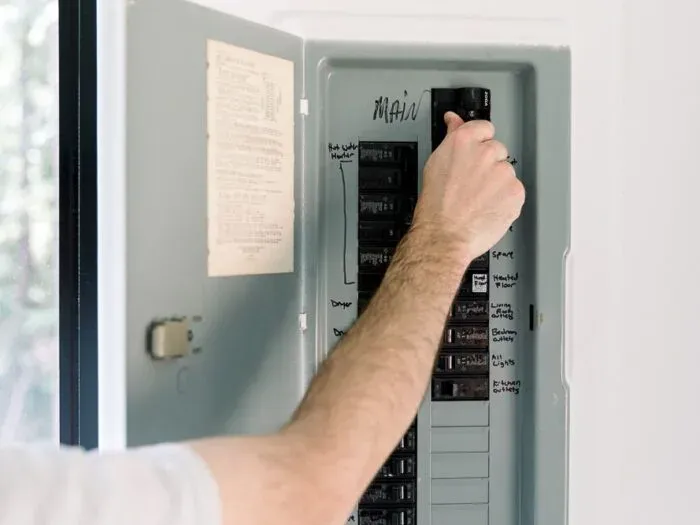
Wiring problems are different. Loose connections, damaged wires and faulty outlets are serious safety concerns, but they usually do not cause a big increase in your bill. The real risk is heat, arcing and fire, not cost. Do not open your panel or outlets to look for a problem. If you suspect a circuit or equipment issue, a professional should check it.
Why Is My Electric Bill Higher Even Though I Used the Same Amount of Electricity?
If your kWh did not change, the price did. Here is an illustrative example with made-up numbers, not actual Minnesota rates:
| Last Month | This Month | |
|---|---|---|
| Usage | 800 kWh | 800 kWh |
| Energy rate (example) | $0.12 per kWh | $0.14 per kWh |
| Energy charge | $96 | $112 |
| Fixed charge (example) | $10 | $12 |
| Total before taxes and riders | $106 | $124 |
Same usage, higher bill. Changes in rates, fees, adjustments, time-of-use pricing or billing days can all do this. Compare usage, dates and charges side by side.
How Can You Find Out What’s Making Your Electric Bill So High?
Compare Current and Previous Bills
Look at total kWh, the billing dates, kWh per day, the rate and every fixed charge or adjustment. Compare with last month and, if possible, the same month last year.
Review Seasonal and Appliance Changes
A cold snap, a heat wave or a humid month can explain much of a jump. So can anything new, such as a space heater, freezer, EV or hot tub, or a change in who is home and when.
Review Utility Usage Information
Many utilities offer online accounts that show daily or hourly use. If yours does, look for days or hours when use spiked. Not every account has this level of detail.
Observe Appliance Operating Patterns
Notice equipment that seems to run constantly, like a fridge that never stops humming or a heat pump that runs nonstop on mild days. Do not open panels or test circuits yourself.
Contact the Utility Company When Billing Looks Incorrect
If the reading, rate, dates or adjustments look wrong, your utility can explain the bill or check the meter.
Request Professional Help When an Electrical Problem Is Suspected
If an appliance or HVAC system seems faulty, start with that equipment’s technician. If you see electrical warning signs or suspect a circuit problem, call an electrician.
How Do You Calculate What an Appliance Costs to Run?
The U.S. Department of Energy uses a simple formula:
Energy used (kWh) = Watts ÷ 1,000 × Hours used
Estimated cost = kWh × Your electricity rate
Here are example wattages. Actual products vary, so check the label on yours.
| Device | Example Wattage | Example Hours | Approximate kWh |
|---|---|---|---|
| Space heater | 1,500 W | 8 hours | 12 kWh |
| Portable air conditioner | 1,000 W | 8 hours | 8 kWh |
| Dehumidifier | 500 W | 12 hours | 6 kWh |
| Electric dryer | 4,000 W | 1 hour | 4 kWh |
| Level 2 EV charger | 7,200 W | 4 hours | 28.8 kWh |
Equipment that cycles on and off uses less than these full-power numbers. Fees and taxes also affect the final cost.
Why Electric Bills May Increase During Minnesota Winters
Beyond heating itself, winter brings shorter days and more lighting, more time indoors with cooking, laundry and electronics, and colder incoming water for electric water heaters to warm. In all-electric homes and homes with heat pumps, winter is often the peak. In gas-heated homes, it may not be. It depends on your equipment.
Why Does My Electric Bill Increase in Summer?
In summer, air conditioning is usually the main cause. Central air and window units run longer on hot, humid days, and lower thermostat settings add to that. Dehumidifiers, extra fridges in the garage and pool equipment can also add up.
Can Electrical Problems Cause a High Electric Bill?
Sometimes, but it is not common. A high bill alone does not prove there is dangerous wiring. And dangerous wiring does not always show up on the bill.
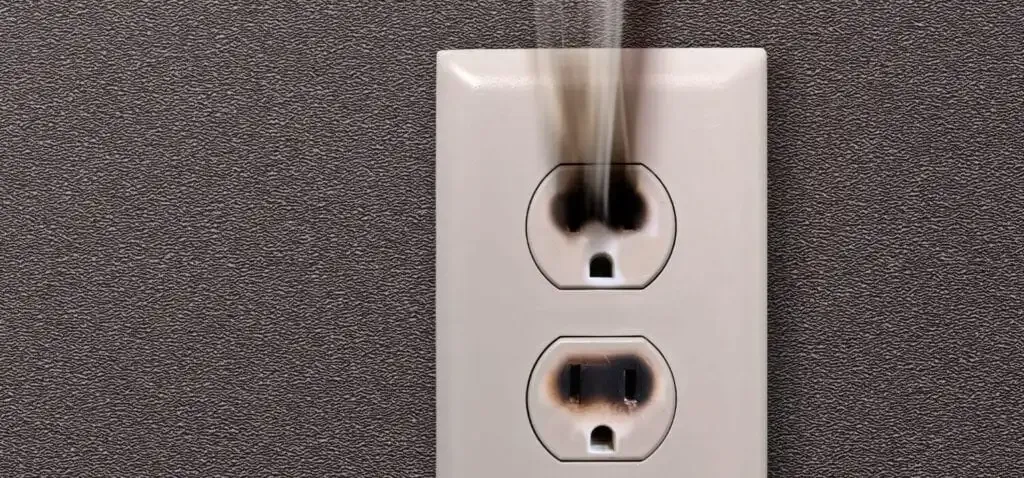
Some warning signs deserve attention no matter what your bill says. Burning smells, outlets that feel hot, breakers that keep tripping, buzzing, damaged wires and flickering lights should all be checked. Learn more about the signs of electrical problems in a house.
If you see smoke or fire, leave the home and call 911.
How Can Homeowners Lower Their Electric Bills?
What works depends on your home and how you use it. Practical steps include:
- Adjusting thermostat settings a few degrees
- Keeping heating and cooling equipment maintained
- Turning off space heaters, dehumidifiers and other equipment when not needed
- Sealing air leaks and improving insulation where it makes sense
- Switching to LED lighting
- Using less hot water and checking the water heater setting
- Choosing efficient appliances when it is time to replace one
- Reviewing your utility’s energy reports and efficiency programs
The U.S. Department of Energy’s Energy Saver site and the Minnesota Department of Commerce both offer more guidance. Note that a panel upgrade does not reduce how much electricity your home uses.
High Electric Bills in White Bear Lake, MN: What Homeowners Should Check
Start with one question: did your usage go up, or did the price? Homes in the area use different utilities and rate plans, so compare your own numbers rather than a neighbor’s. If usage went up, look at the season, heating and cooling equipment, new appliances, garage equipment and any recent remodel. If you also notice electrical warning signs, Chris Electric can check the circuits involved.
Should You Call Your Electric Company or an Electrician?
| Situation | Best First Contact | Why |
|---|---|---|
| Unexpected rate increase | Utility | Rates and charges are set by the utility |
| Estimated meter reading | Utility | Only the utility can correct a reading |
| Billing adjustment | Utility | It can explain account changes |
| Suspected meter error | Utility | The meter belongs to the utility |
| Faulty appliance | Appliance technician | The issue is inside the appliance |
| HVAC running nonstop | HVAC technician | Controls and equipment need HVAC service |
| Burning electrical smell | Electrician, or 911 if there is smoke | Possible overheating or wiring fault |
| Repeated breaker trips | Electrician | Possible circuit or equipment problem |
| Suspected wiring fault | Electrician | Wiring needs professional testing |
| Unusual electrical behavior | Electrician | Circuit problems need diagnosis |
Billing questions start with your utility. Appliance and HVAC problems usually start with those technicians. Wiring, circuit and panel concerns call for an electrician. Any active electrical emergency calls for 911.
Can an Electrician Help Identify Unusual Electricity Usage?
Yes, when there is a reason to suspect an electrical problem. An electrician can review what you have noticed, talk through new loads, check the circuits or equipment involved and look for faults that need repair.
An electrician cannot find the cause from the bill amount alone. A general inspection also will not reveal every source of energy use. Some causes need a utility account review, an appliance check or HVAC service instead. If breakers keep tripping when heaters or appliances run, see why a circuit breaker keeps tripping.
Concerned About a High Electric Bill in White Bear Lake?
A sudden jump in your electric bill usually comes from more usage, seasonal heating or cooling, rate changes, billing adjustments or equipment that is running more than it should. The first step is always the same: compare your kWh, billing days and charges.
Most high bills are not an electrical emergency. But if you also notice burning smells, hot outlets, tripping breakers or other warning signs, those deserve professional attention.
For suspected electrical problems, Chris Electric can help. White Bear Lake homeowners can reach out to schedule an inspection or troubleshooting visit.
Frequently Asked Questions
Why did my electric bill double when nothing changed?
Often something did change, just not obviously. A longer billing period, a corrected estimated reading, colder or hotter weather, a rate change or an appliance running nonstop can all double a bill. Compare kWh per day and each charge with your previous bill to find which one applies.
Can faulty electrical wiring make my electric bill higher?
Rarely by much. Loose connections and damaged wiring are mainly safety hazards that cause heat and fire risk, not big bill increases. Faulty equipment controls are more likely to raise usage. If you notice warning signs like burning smells or hot outlets, have an electrician check them.
What appliance uses the most electricity in a house?
In homes with electric heat, the heating system usually uses the most. Otherwise, air conditioners, electric water heaters, dryers and EV chargers are often near the top. The answer depends on what you own and how often it runs.
Why is my electric bill so high in winter?
If you heat with electricity, a heat pump or space heaters, winter can raise your bill sharply, especially when backup heat runs. Shorter days, more time indoors and harder-working water heaters add more. Homes heated with gas usually see the increase on the gas bill instead.
How do I find out what is using so much electricity?
Start with your bill and your utility’s online usage data if available. Look for spikes by day or hour. Then think about new equipment and anything that runs constantly. A plug-in energy monitor can measure individual devices that plug into a standard outlet.
Can my electric bill increase even if my electricity usage stays the same?
Yes. Higher rates, new or larger fixed charges, fuel adjustments, riders, taxes and time-of-use pricing can all raise the total. A longer billing period can also make the bill bigger even though daily use stayed flat.